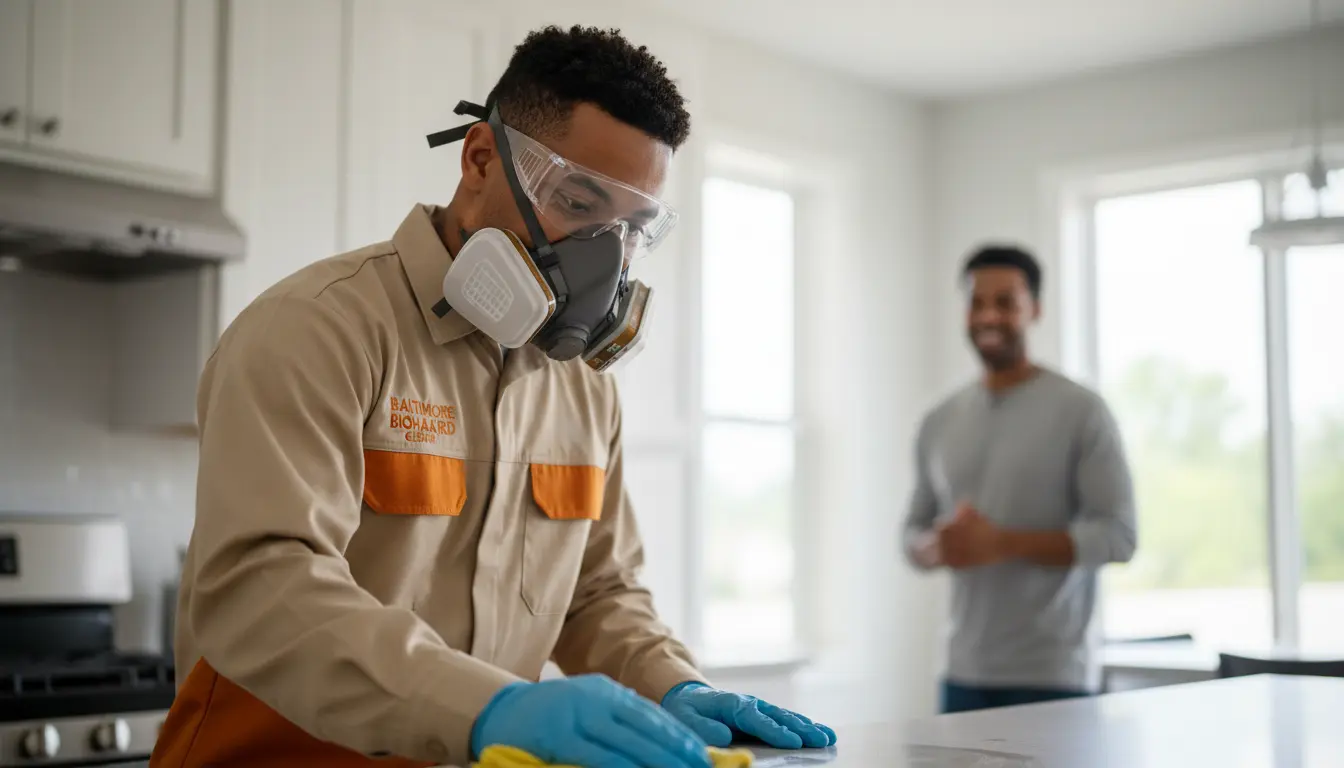
In Baltimore, where historic rowhomes share common walls and ventilation systems, a biohazard incident can quickly spread contaminants to adjacent units, posing serious health risks to tenants and property owners. The combination of Mid-Atlantic humidity and aging infrastructure creates unique challenges for remediation. Without proper containment and decontamination, pathogens such as bloodborne viruses, bacteria, and mold can infiltrate porous materials like plaster, wood, and drywall, leading to long-term structural damage and liability issues. This is why property managers and homeowners must have a clear, actionable plan for biohazard cleanup. At Baltimore Biohazard Cleanup, we have developed a comprehensive checklist based on years of experience in the field, following IICRC S540 Standards and OSHA regulations, to ensure every site is restored to a safe, habitable condition.
Step-by-Step Professional Remediation Workflow
The first step in any biohazard cleanup is a thorough risk assessment. Our certified technicians arrive on site wearing Level B PPE, including full-face respirators, Tyvek suits, and nitrile gloves, to protect against bloodborne pathogens and airborne contaminants. We use industrial-grade negative air machines to create a controlled environment that prevents cross-contamination to other areas of the building. In Baltimore’s humid climate, where temperatures can exceed 90°F in summer, this equipment is critical for maintaining air quality and preventing the spread of odors and pathogens through shared ventilation systems.
Once the area is contained, we begin the physical removal of all biohazardous materials. This includes blood-soaked carpets, contaminated drywall, and any porous items that cannot be effectively disinfected. We use specialized enzyme treatments that break down organic matter at the molecular level, ensuring that no residual biological material remains. After removal, we apply EPA-registered hospital-grade disinfectants with broad-spectrum efficacy against viruses, bacteria, and fungi. The final step involves adenosine triphosphate (ATP) fluorescence testing to verify that all surfaces have been decontaminated to below the industry threshold for organic residue. In Baltimore rowhomes, we often encounter hidden biological seepage behind walls or under flooring, which requires structural decontamination and, in some cases, microbial remediation to prevent future mold growth.
Professional Remediation vs. Standard Janitorial Cleaning
| Feature/Metric | Professional Biohazard Remediation | Standard Residential Cleaning |
|---|---|---|
| Regulatory Compliance | Full compliance with OSHA Bloodborne Pathogens Standard 29 CFR 1910.1030, EPA waste disposal regulations, and local Baltimore City health codes | No compliance with biohazard-specific regulations; cleaning crews may not be trained or certified |
| Pathogen Elimination | Use of EPA-registered disinfectants with verified kill times for bloodborne pathogens; ATP testing to confirm efficacy | Household bleach or general cleaners that may not eliminate all pathogens |
| Structural Assessment | Thorough inspection for hidden contamination, including moisture readings and thermal imaging to identify affected areas | Superficial cleaning only; may miss subsurface contamination leading to future health risks |
| Waste Disposal | Proper packaging, labeling, and transport to authorized medical waste facilities in Maryland | Disposal in regular trash, which is illegal and dangerous |
Expert Insights for Property Managers and Homeowners
Detecting Hidden Biological Seepage
One of the most common oversights in biohazard cleanup is failing to identify contamination that has seeped into subflooring, wall cavities, or HVAC systems. In Baltimore’s older homes, blood or bodily fluids can migrate through cracks in plaster or wooden floors, creating a reservoir for pathogens that persists even after surface cleaning. Our technicians use moisture meters and borescopes to inspect these hidden areas. If left untreated, this seepage can lead to persistent odor, mold growth, and structural degradation. We recommend that property managers schedule a professional assessment immediately after any incident involving biological fluids.
Why Porous Materials Require Replacement
Many homeowners mistakenly believe that cleaning a bloodstained carpet or upholstery with bleach will make it safe. In reality, porous materials like carpet, padding, drywall, and insulation cannot be fully disinfected because pathogens can penetrate deep into the fibers or pores. The IICRC S540 standard mandates that porous materials contaminated with blood or bodily fluids be removed and disposed of as biohazard waste. In Baltimore’s humid climate, retaining these materials can also lead to mold growth, compounding the health risks. Professional remediation involves cutting out affected drywall at least 12 inches above the visible stain and replacing it with new, clean material.
The Importance of Negative Pressure
To prevent cross-contamination, especially in multi-unit buildings common in Baltimore, we establish negative air pressure in the contaminated area. This ensures that airborne particles do not escape into hallways or adjacent units. Without this step, pathogens can travel through shared ventilation systems, putting other tenants at risk. We use HEPA-filtered negative air machines that capture 99.97% of particles down to 0.3 microns. This is a critical part of the biohazard cleanup checklist for homeowners and property managers to ensure the safety of everyone in the building.
Common Mistakes and Their Consequences
One frequent error is using household bleach on biological matter. While bleach is a disinfectant, it is not effective against all pathogens, and it can cause proteins to fixate, making the stain harder to remove. Worse, bleach fumes can be harmful in enclosed spaces. Another mistake is waiting for odors to dissipate naturally. In Baltimore’s humidity, odors can linger for weeks and indicate active biological decomposition. A third mistake is allowing untrained personnel, such as maintenance staff or well-meaning neighbors, to enter the site before professional cleanup. This exposes them to bloodborne pathogens and increases the risk of legal liability. The consequences include long-term health risks like hepatitis B or C exposure, structural damage that reduces property value, and potential fines from regulatory agencies for improper waste disposal.
Pricing Considerations for Biohazard Cleanup
- Standard site mobilization fees: Typically range from $150 to $300, covering the initial assessment, equipment setup, and travel time within the Baltimore metropolitan area.
- Hourly remediation rates: Most professional services charge between $150 and $250 per hour per technician, depending on the complexity and level of hazard. A typical trauma scene can require 4 to 8 hours of work.
- Specialized disposal costs: Biohazard waste must be transported to authorized facilities in Maryland, with fees averaging $50 to $100 per container. The volume of waste directly impacts cost.
Several factors influence the total price. The extent of structural material replacement needed is a major driver—if drywall, flooring, or insulation must be removed, material costs and labor add up. The total volume of biohazardous waste, measured in gallons or pounds, also affects disposal fees. Finally, the necessity for specialized HVAC decontamination, such as cleaning ductwork contaminated by airborne pathogens, can increase the scope of work. Every situation is unique, and we provide detailed, transparent estimates before beginning any project.
Safety and Standards Compliance
Adherence to established safety standards is non-negotiable in biohazard remediation. Baltimore Biohazard Cleanup follows the OSHA Bloodborne Pathogens Standard (29 CFR 1910.1030), which mandates the use of proper PPE, sharps disposal, and a written exposure control plan. We also comply with the Maryland Department of Environment regulations for medical waste transport and disposal. Our technicians hold IICRC certifications in trauma and crime scene cleanup, ensuring they understand the latest techniques for containment, decontamination, and verification. We use only authorized waste management services that provide a chain-of-custody record, giving property owners peace of mind that no legal risks remain. These protocols protect not only our team but also the tenants, owners, and future occupants of the property.
Frequently Asked Questions
What is considered a biohazard in a residential property?
A biohazard includes any biological material that poses a risk to human health, such as blood, bodily fluids, human or animal waste, decomposed tissues, and mold. In Baltimore homes, hoarding situations often involve large amounts of organic waste, rodent droppings, and contaminated materials. These require professional remediation because they can carry pathogens like hepatitis, HIV, MRSA, and other bacteria. Even small amounts of blood from an injury or medical incident should be treated as a biohazard due to the potential for bloodborne diseases.
How long does a professional biohazard cleanup take?
Timeline depends on the size and severity of the contamination. A small blood cleanup in a single room may take 2 to 4 hours, while a full hoarding or trauma scene involving multiple rooms can take 1 to 3 days. In Baltimore’s humid climate, decomposition accelerates, so prompt action is critical. We conduct a thorough assessment first and provide an estimated timeline. Factors like the need for structural drying, odor neutralization, and ATP testing can extend the process, but we work efficiently to minimize disruption to property owners.
Can I use regular cleaning products for biohazard remediation?
No. Household cleaners, including bleach, are not registered as hospital-grade disinfectants and do not have verified kill times for all bloodborne pathogens. Using them gives a false sense of safety and can actually spread contaminants if not applied correctly. Professional biohazard cleaners use EPA-approved disinfectants that are tested for specific pathogens, and they apply them with proper dwell times to ensure complete inactivation. Additionally, proper disposal of contaminated materials requires specialized procedures that regular cleaners cannot provide.
What are the legal implications of improper biohazard cleanup in Maryland?
Maryland law requires that all biohazard waste be disposed of through licensed medical waste transporters. Improper disposal, such as placing contaminated items in regular trash, can result in fines from the Maryland Department of the Environment and potential civil liability if someone is exposed to pathogens. For property managers, failure to properly remediate a biohazard scene can lead to tenant lawsuits, loss of insurance coverage, and decreased property value. Hiring a certified professional ensures compliance with all regulations and protects property owners from these risks.
Professional Biohazard Remediation in Baltimore
When you face a biohazard situation, whether it’s a trauma scene, hoarding cleanup, or infectious disease decontamination, you need a team that combines technical expertise with compassion and discretion. Baltimore Biohazard Cleanup has been serving property owners and managers across the city for years, following a strict biohazard cleanup checklist for homeowners and property managers that ensures every site is restored to safety. Our technicians are trained in the latest forensic restoration techniques, use state-of-the-art equipment, and operate in full compliance with all regulatory standards. We understand the unique challenges of Baltimore’s historic rowhomes, multi-unit apartment buildings, and commercial properties, and we tailor our approach to each situation. From the initial risk assessment to the final ATP verification, we prioritize your safety, property value, and peace of mind. If you need professional biohazard cleanup in Baltimore, call us today for a confidential consultation and a detailed estimate.