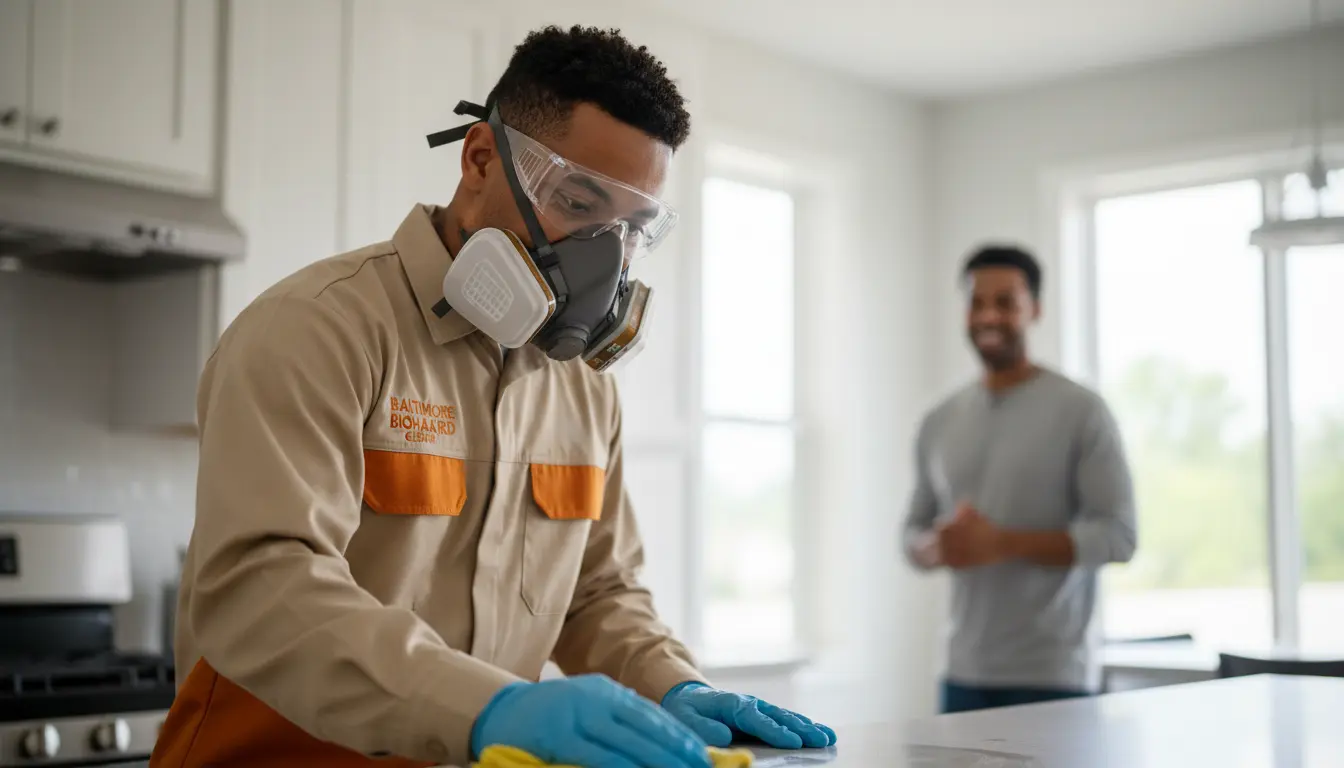
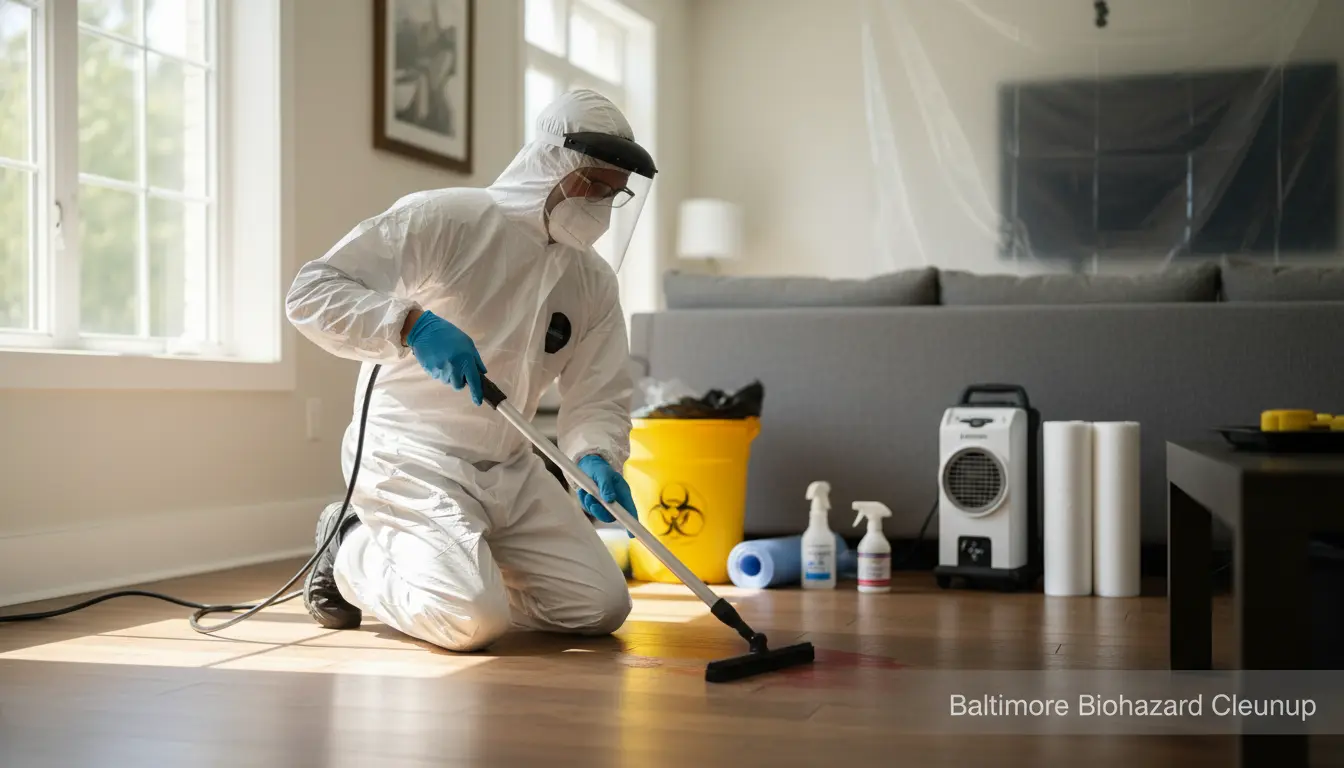
Trauma incidents, whether from accidents, suicides, or violent crimes, leave behind more than just emotional scars—they create hazardous environments filled with biohazards like blood, bodily fluids, and pathogens. In a bustling city like Baltimore, where neighborhoods from Patterson Park to Towson face these unfortunate realities, proper cleanup is crucial to restore safety and prevent health risks. At Baltimore Biohazard Cleanup, we specialize in professional remediation, ensuring your property is handled with compassion and expertise.
If you’ve experienced a trauma scene in your home or business, knowing the cleanup process can ease some of the burden. This guide walks you through the essential steps for biohazard cleanup after trauma incidents, tailored to Baltimore’s unique urban challenges. From initial assessment to final disinfection, we’ll cover practical tips to help you navigate this sensitive process. Remember, while DIY attempts might seem tempting, they often lead to incomplete decontamination and legal issues—leave it to certified professionals like us.
Understanding Biohazard Cleanup and Why It Matters in Baltimore
Biohazard cleanup involves the safe removal and disposal of infectious materials that pose risks to health and the environment. In Baltimore, where dense populations and historic buildings can complicate remediation, improper handling can spread diseases like hepatitis or HIV through contaminated surfaces.
The Risks of Unprofessional Cleanup
Attempting to clean a trauma scene without proper training exposes you to dangerous pathogens and chemicals. For instance, bloodborne pathogens can linger on porous materials like carpets in older Baltimore rowhouses. According to OSHA guidelines, only certified technicians should handle such scenes to avoid cross-contamination. In areas like White Marsh, where commercial spaces are common, failing to comply can result in hefty fines or business closures.
Our team at Baltimore Biohazard Cleanup follows EPA and local health department protocols, using PPE and specialized equipment to mitigate these risks. If you’re dealing with a trauma scene remediation in Cockeysville, quick professional intervention is key to preventing long-term health hazards.
Step 1: Securing the Scene and Initial Assessment
The first step in any biohazard cleanup is to secure the area to prevent unauthorized access and further contamination. In Baltimore’s variable weather, this might involve sealing off indoor spaces from outdoor elements.
Conducting a Thorough Assessment
Start by evaluating the extent of the biohazards. Look for visible blood, tissue, or fluids on floors, walls, and furniture. Document the scene with photos for insurance or legal purposes, but avoid touching anything. Practical tip: If the incident occurred in a public area like Parkville’s community centers, notify local authorities immediately to coordinate with Baltimore City Police protocols.
Professionals from Baltimore Biohazard Cleanup arrive within hours for this assessment, using tools like ATP meters to detect invisible contaminants. For suicide cleanup services in Towson, we prioritize sensitivity, working discreetly to respect privacy.
Step 2: Gathering Essential Safety Equipment and Supplies
Before any hands-on work, equip yourself—or better yet, hire experts—with the right gear. This includes full-body suits, N95 respirators, gloves, and biohazard bags.
Key Supplies for Effective Cleanup
- Disinfectants: EPA-approved solutions like bleach (1:10 dilution) or quaternary ammonium compounds for killing pathogens.
- Absorbents: Use superabsorbent powders for liquid biohazards to solidify them for safe removal.
- Tools: Sealable containers, HEPA vacuums, and enzyme cleaners for organic matter breakdown.
Actionable advice: In humid Baltimore summers, moisture can exacerbate bacterial growth, so include dehumidifiers in your kit. For specialized needs, such as accident scene cleanup in Patterson Park, our kits include odor neutralizers to combat lingering smells in confined spaces.
Never skip this step—improper equipment led to health issues in past Baltimore cases, underscoring the need for pros.
Step 3: Removing and Containing Biohazardous Materials
With the scene secured, carefully remove contaminated items. This is where precision matters to avoid aerosolizing pathogens.
Safe Removal Techniques
Begin with large items: Double-bag furniture or mattresses marked as biohazards and transport them to licensed disposal sites. For surfaces, scrape off visible residues using disposable tools, then wipe with disinfectants. In Baltimore’s older homes around White Marsh, lead paint or asbestos might complicate this—always test first.
Tip: Work from clean to dirty areas to prevent spreading contamination. If you’re in a multi-unit building in Parkville, isolate HVAC systems to avoid duct contamination. Baltimore Biohazard Cleanup uses industrial-grade encapsulants for meth lab decontamination, a similar process adaptable to trauma scenes in Cockeysville.
Dispose of waste per Maryland’s biohazard regulations, which require incineration or autoclaving—something only certified services can handle legally.
Step 4: Deep Cleaning and Disinfection
Once materials are removed, deep clean all surfaces to eliminate microscopic threats.
Layered Disinfection Process
Apply disinfectants and let them dwell for the recommended time (usually 10-15 minutes). Use UV lights for hard-to-reach areas in Baltimore’s Victorian-era homes. For fabrics, steam cleaning with hot water (above 160°F) kills most bacteria.
Practical advice: In flood-prone areas like Towson, combine this with sewer backup remediation techniques if water damage is involved. Test air quality post-cleanup with meters to ensure safety levels below 1 CFU per cubic meter.
Our Baltimore team employs hospital-grade protocols, restoring properties to pre-incident conditions swiftly.
Step 5: Deodorization, Restoration, and Final Inspection
Odors from decomposition can persist, so address them with activated carbon filters or ozone generators (used cautiously indoors).
Restoring the Space
Repair or replace damaged materials—carpets in Patterson Park rentals often need full replacement. Conduct a final walkthrough with moisture meters and swab tests to verify cleanliness.
Tip: Document everything for insurance claims, common in Baltimore’s high-crime areas. For comprehensive restoration after trauma in White Marsh, contact us to avoid DIY pitfalls that could void warranties.
FAQ: Common Questions About Biohazard Cleanup in Baltimore
1. How long does biohazard cleanup take after a trauma incident?
It varies by scene size, but most residential cleanups in Baltimore take 4-8 hours. Complex cases in Towson might extend to a full day. Baltimore Biohazard Cleanup provides rapid response to minimize disruption.
2. Is biohazard cleanup covered by insurance in Maryland?
Yes, many homeowners and renters policies cover it under "debris removal" or "biohazard" clauses. We assist with claims—call (410) 709-0617 for guidance on your policy.
3. Can I clean a small trauma scene myself in Baltimore?
We strongly advise against it due to health risks and regulations. For safety, especially in dense areas like Parkville, professional services ensure compliance with local health codes.
4. What if the trauma involves a hoarding situation?
Hoarding complicates cleanup with additional biohazards. Our trauma scene remediation experts in Cockeysville handle layered decontamination sensitively.
5. How do I prevent biohazards from spreading during the initial response?
Limit access, ventilate without fans, and avoid touching anything. In Baltimore’s inner harbor districts, coordinate with emergency services for immediate containment.
Conclusion: Trust Baltimore Biohazard Cleanup for Compassionate Remediation
Navigating biohazard cleanup after trauma incidents is overwhelming, but following these steps—or better, entrusting professionals—restores safety and serenity. In Baltimore’s vibrant yet challenging communities, from the historic streets of Patterson Park to the suburbs of White Marsh, we’re here to help 24/7.
Don’t risk your health or face legal hurdles—contact Baltimore Biohazard Cleanup today at (410) 709-0617 for expert suicide cleanup services or any trauma remediation needs. We’re committed to compassionate, efficient service that lets you focus on healing.