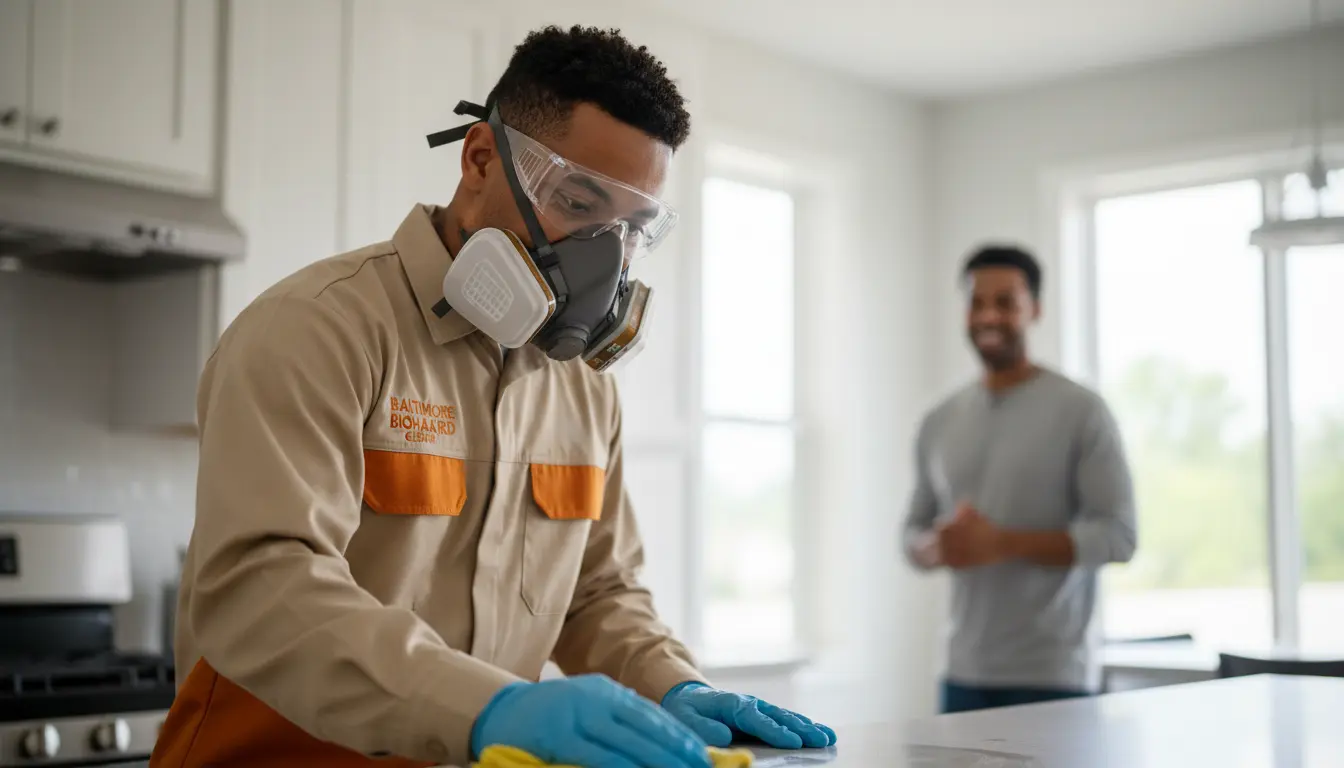
Biohazard remediation is not a simple cleaning task. Bloodborne pathogens, tissue matter, and microbial growth pose serious health risks that demand specialized training, equipment, and disposal protocols. In a city like Baltimore, where many homes date back to the 19th century and share walls with adjacent rowhomes, cross-contamination can spread rapidly if not handled correctly. Professional intervention is the only way to ensure the site is fully decontaminated, compliant with OSHA and EPA regulations, and restored to a condition that protects future occupants.
Baltimore Biohazard Cleanup has built a reputation for delivering technically rigorous, discreet, and cost-effective remediation across all Baltimore neighborhoods—from Canton to Sandtown-Winchester. Our team holds IICRC S540 certifications, follows strict chain-of-custody waste disposal, and uses advanced forensic cleaning technologies. We understand that affordability does not mean cutting corners; it means smart logistics, efficient workflow, and transparent pricing that respects the financial burden families already carry.
The Remediation Workflow: Step-by-Step Technical Process
Every biohazard scene is unique, but our remediation protocol follows a standard sequence rooted in infection control and structural decontamination science. Upon arrival, our certified technicians perform an initial risk assessment using adenosine triphosphate (ATP) testing to identify hidden biological residues. This is critical in older Baltimore rowhomes where subflooring and plaster walls can absorb fluids deep into porous materials.
Next, we establish containment zones using heavy-duty polyethylene sheeting and negative air pressure units. These machines create a vacuum that prevents airborne pathogens—such as MRSA or hepatitis C—from migrating to unaffected areas of the property. During the heat of a Baltimore summer, when humidity levels often exceed 80%, biological decomposition accelerates, generating strong odors and rapid microbial growth. Negative air systems, combined with HEPA filtration, capture these particulates before they settle elsewhere.
Physical Removal and Chemical Sanitization
All visible biohazardous material—blood, tissue, bodily fluids—is carefully removed using OSHA-compliant PPE and medical-grade waste bags. We then apply EPA-registered disinfectants with proven efficacy against non-enveloped viruses, bacteria, and fungi. For porous surfaces like drywall, carpet, or unsealed concrete, physical removal is not enough; we often saturate the material with enzyme-based cleaners that break down protein at a molecular level.
ATP testing is repeated after each cleaning pass to verify pathogen elimination. Only when readings fall below the threshold set by the CDC for health-care environments do we proceed to final structural encapsulation. This step involves sealing the affected area with antimicrobial coatings that inhibit future microbial growth—an essential measure for Baltimore’s humid climate, where mold can recur within weeks if left unchecked.
Data Comparison: Professional Remediation vs. Standard Janitorial Cleaning
| Feature/Metric | Professional Biohazard Remediation | Standard Residential Cleaning |
|---|---|---|
| Regulatory Compliance | OSHA 29 CFR 1910.1030, EPA, IICRC S540, DOT biohazard transport | None; general cleaning standards only |
| Pathogen Elimination | 99.99% reduction verified by ATP testing | Surface clean only; pathogens remain |
| Structural Assessment | Full inspection for hidden seepage, porous material evaluation | Visual only; does not check subfloor or wall cavities |
| Waste Disposal | Incinerated via licensed medical waste facility with chain-of-custody | Placed in regular trash – illegal and dangerous |
| Equipment Used | Negative air machines, HEPA vacuums, industrial ozone generators | Mop, bucket, household bleach |
| Odor Removal | Thermal fogging and hydroxyl generators target volatile organic compounds | Airs out windows; ineffective for deep odors |
Source: IICRC S540 Trauma and Crime Scene Cleanup Standard
Expert Insights: Three Diagnostics and Common Mistakes
As certified biohazard remediation specialists, we rely on advanced diagnostics that go far beyond what standard cleaning crews can provide. One of the most important is thermal imaging combined with moisture meters. In Baltimore rowhomes, biological fluids often wick upward into adjacent wall cavities through capillary action, leaving no visible stain on the surface. A thermal camera reveals temperature differences caused by moisture, allowing us to locate pockets of contamination that would otherwise go untreated.
A second critical diagnostic is pH testing of porous surfaces. Blood and other bodily fluids are slightly alkaline, and when they decompose, they can alter the pH of wood and concrete. This change weakens the structural integrity over time and creates a favorable environment for mold. We use pH-neutralizing agents to restore the material’s original balance before applying antimicrobials.
Third, we perform air sampling using viable impactor samplers to detect airborne pathogens after the cleaning phase. This confirms that the space is safe for reoccupancy—a step that is almost never done by untrained individuals.
Common Mistakes Property Owners Make
One of the most costly errors is using household bleach on biological matter. Bleach is a strong oxidizer, but it only works on non-porous surfaces and is quickly deactivated by organic matter. In practice, bleach can actually “cook” proteins onto surfaces, making them harder to remove and leaving behind a residue that continues to emit odors. Worse, bleach fumes can be toxic when mixed with other chemicals.
Another frequent mistake is waiting for odors to dissipate naturally. In a Baltimore summer, decomposition odors can penetrate drywall, insulation, and even HVAC ductwork within 48 hours. By the time the smell becomes noticeable, the contamination has spread far beyond the original site, increasing remediation costs by 30–50%.
Finally, allowing untrained personnel—friends, family, or general handymen—into the scene exposes them to bloodborne pathogens and creates liability for the property owner. Without proper PPE and disposal training, they risk infection and illegal waste dumping. We have seen cases where a well-meaning relative contracted hepatitis B after cleaning a small blood spill without gloves.
Pricing for Affordable Biohazard Cleanup Services Near Baltimore Neighborhoods
Cost is often the first concern for families and property managers. At Baltimore Biohazard Cleanup, we structure our pricing to be transparent and competitive. Typical rates include:
- Site mobilization fee: $150–$300, depending on the distance from our Baltimore depot and the urgency of the response (24/7 emergency calls carry a modest premium).
- Hourly remediation rates: $125–$200 per hour per technician. Most residential scenes require two technicians for 4–8 hours, but heavy contamination can extend the timeline.
- Biohazard waste disposal fee: $50–$150 per sealed biohazard container, based on volume and weight. All waste is incinerated at a licensed facility in compliance with Maryland Department of the Environment regulations.
Three main factors influence the final cost. First, the extent of structural material replacement: if blood or fluids have soaked into subflooring, drywall, or insulation, those materials must be cut out and replaced—not just cleaned. Second, the total volume of biohazardous waste: larger scenes require more disposal containers and longer cleanup times. Third, the need for specialized HVAC decontamination: if the contamination reached air ducts, we must fog the entire system with a disinfectant, which adds several hours of labor and equipment rental.
We work with insurance companies and offer flexible payment plans to ensure that affordability never compromises safety. For a free, no-obligation estimate tailored to your Baltimore neighborhood, contact our office.
Safety and Standards: Certifications That Protect You
Every technician on our team completes the OSHA Bloodborne Pathogens Standard (29 CFR 1910.1030) training, which covers exposure control plans, proper PPE usage, and post-exposure procedures. We also hold IICRC S540 certification for trauma and crime scene cleanup, the industry standard for restoring properties after biological incidents. These certifications are not just pieces of paper—they are audited annually and require ongoing education in the latest decontamination methods.
Our waste management follows the EPA’s guidelines for medical waste and the DOT’s hazardous materials transport regulations. Each bag of biohazard waste is labeled, sealed, and tracked from the scene to the incinerator, with a chain-of-custody document provided to the property owner. This protects you from legal liability if the waste is later found improperly discarded.
For property owners in Baltimore, these standards are particularly important because of the city’s strict health department regulations regarding communicable disease reporting. If a scene involves a known infectious disease (e.g., tuberculosis, HIV, hepatitis), we coordinate with the Baltimore City Health Department to ensure proper documentation and follow-up. This level of compliance is impossible for a general cleaning company to achieve.
Frequently Asked Questions About Biohazard Remediation in Baltimore
What qualifies as a biohazard that requires professional cleanup?
Biohazards include any material that may contain infectious pathogens. Common examples are blood, bodily fluids, tissue remains, sharps (needles, broken glass contaminated with blood), and microbial growth from sewage backups. In Baltimore, we also frequently remediate scenes involving methamphetamine lab residue, which can be absorbed into porous building materials and require specialized chemical decontamination. If you are unsure whether a situation qualifies, it is safer to call a professional—many pathogens survive on surfaces for days or weeks.
Can I clean a biohazard scene myself to save money?
We strongly advise against it. Household cleaning products are not effective against bloodborne pathogens, and improper disposal of biohazard waste is illegal in Maryland. Beyond legal risks, you expose yourself to diseases such as hepatitis B, C, and HIV. Even if you wear gloves and a mask, you lack the negative air equipment and ATP testing needed to ensure the area is truly safe. The cost of professional remediation is modest compared to the potential medical bills and liability lawsuits from a contaminated property.
How quickly can you respond to an emergency in Baltimore neighborhoods?
Baltimore Biohazard Cleanup provides 24/7 emergency response, and we typically arrive at any Baltimore neighborhood within 90 minutes of the initial call. Our vans are stocked with full PPE, disinfectants, and waste disposal containers so we can begin work immediately. For scenes involving police holds—such as homicides or suicides—we coordinate with the investigating officers to ensure we only enter after the scene has been released.
Will my insurance cover the cost of biohazard remediation?
Many homeowner’s insurance policies cover biohazard cleanup, particularly if it is part of a covered peril like fire, vandalism, or accidental death. We recommend contacting your insurance provider directly, but we can also assist with documentation and billing. We accept payment from most major insurance companies and will work with adjusters to ensure your claim is processed smoothly. For uninsured property owners, we offer discounted rates and payment plans to keep affordable biohazard cleanup services near Baltimore neighborhoods accessible.
Professional Biohazard Remediation in Baltimore
Restoring a property after a traumatic event requires a blend of scientific precision, technical expertise, and genuine empathy. At Baltimore Biohazard Cleanup, we deliver all three without the exorbitant price tags that sometimes accompany national franchise operations. Our team understands the specific challenges of Baltimore’s historic architecture, seasonal humidity, and dense urban layout, and we tailor every remediation plan accordingly.
Whether you are a landlord dealing with an unattended death in a rental unit, a family grieving a suicide in your childhood home, or a property manager facing a hoarding situation with biological contamination, we are here to help. Our affordable biohazard cleanup services near Baltimore neighborhoods are designed to restore safety, dignity, and peace of mind. Call us anytime—day or night—for a free consultation and a detailed estimate.