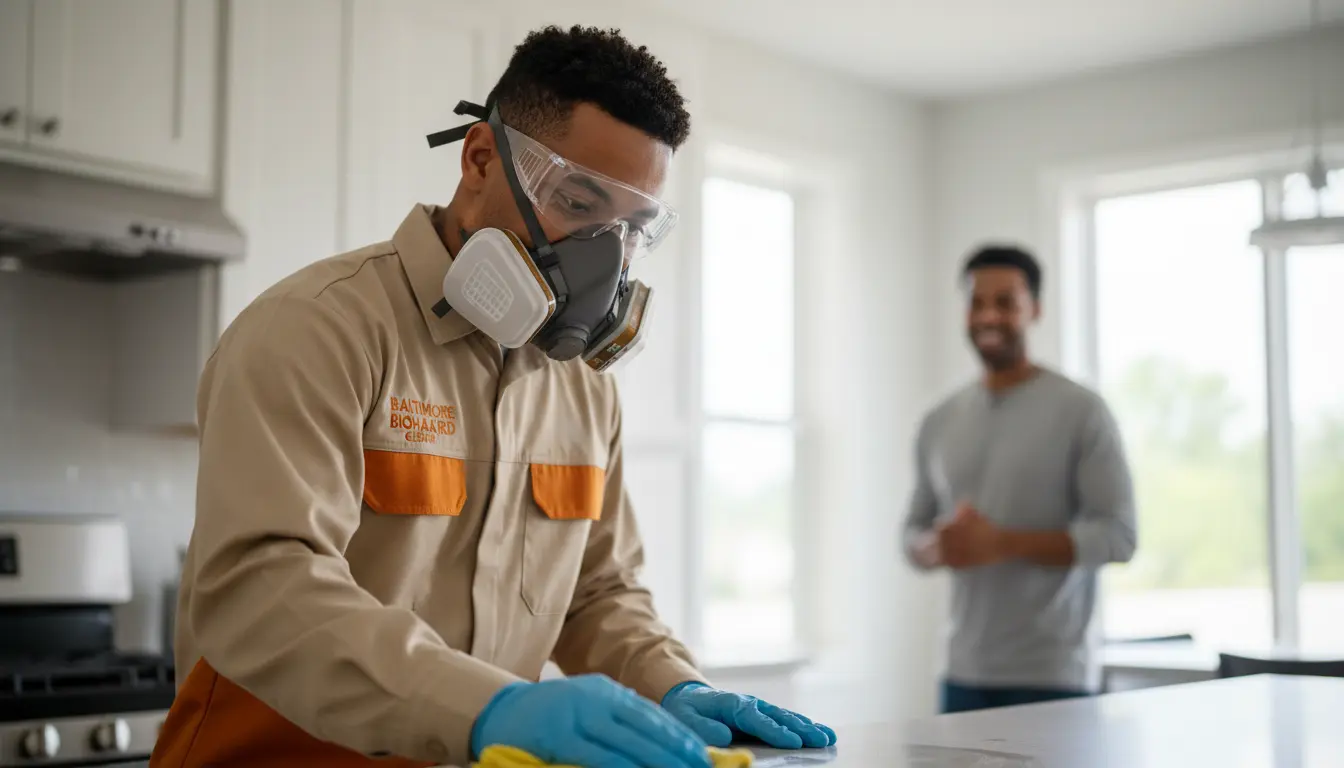
According to the Centers for Disease Control and Prevention, over 5.6 million workers in the United States are potentially exposed to bloodborne pathogens each year. Yet in Baltimore, a city with a high density of aging rowhomes and mixed-use properties, many property owners remain unaware that the same pathogens—hepatitis B, hepatitis C, HIV—can linger on surfaces long after a traumatic event, a hoarding situation, or an unattended death. When biological materials seep into porous flooring, drywall, or HVAC systems, the risk of exposure doesn’t end with the initial cleanup. That is why understanding how biohazard cleanup restores safe living and working environments is not just a matter of aesthetics but a critical public health priority.
Professional biohazard remediation goes far beyond standard janitorial services. It involves a systematic, science-based approach to identifying, removing, and decontaminating biohazardous materials according to strict regulatory standards. In Baltimore, where historic structures share walls and ventilation pathways with neighboring units, a single improperly remediated site can compromise an entire block. Baltimore Biohazard Cleanup has established itself as the region’s most authoritative and discreet provider of these services, combining technical expertise with a deep understanding of local building conditions and community sensitivities.
The Scientific Workflow of Professional Biohazard Remediation
The process begins with a comprehensive risk assessment. Technicians evaluate the scene to identify all potential biohazards—blood, bodily fluids, tissue, sharps, or chemical contaminants—and determine the extent of penetration into porous and non-porous surfaces. This initial assessment is crucial because it dictates the level of personal protective equipment (PPE) required, the containment strategies, and the disposal protocols. In Baltimore, where humidity levels often exceed 70% during summer months, biological decomposition accelerates, causing fluids to wick into wall cavities and subflooring. A thorough inspection using moisture meters and thermal imaging helps detect hidden saturation that would otherwise go unnoticed.
Once the assessment is complete, the remediation team establishes a controlled work zone. Negative air machines create pressure differentials that prevent airborne pathogens from migrating to unaffected areas. All surfaces within the zone are then physically cleaned to remove gross contamination. This step cannot be skipped: chemical disinfectants lose efficacy when organic material is present. After physical removal, technicians apply EPA-registered hospital-grade disinfectants that are proven to inactivate a broad spectrum of pathogens, including enveloped viruses like SARS-CoV-2 and non-enveloped viruses like norovirus. The dwell time—the period the disinfectant must remain wet on the surface—is rigorously timed to ensure full kill rates, a step often neglected by untrained cleaners.
The final stage involves verification through adenosine triphosphate (ATP) fluorescence testing. ATP is present in all organic matter, so a low ATP reading confirms that biological residues have been eliminated. In some cases, structural encapsulation—applying a sealant over porous materials that cannot be fully decontaminated—is necessary. This is especially common in Baltimore’s historic rowhomes, where original plaster walls and hardwood floors may be too porous to salvage. The entire workflow adheres to the IICRC S540 Standard for Trauma and Crime Scene Cleanup, ensuring that every step is documented and defensible.
Professional Remediation vs. Standard Janitorial Cleaning: A Data Comparison
The table below highlights the critical differences between professional biohazard remediation and what a typical cleaning service might offer. These distinctions underscore why generic cleaning is not only insufficient but dangerous when biohazards are present.
| Feature/Metric | Professional Biohazard Remediation | Standard Residential Cleaning |
|---|---|---|
| Regulatory Compliance | Adheres to OSHA 29 CFR 1910.1030, EPA waste disposal rules, and state-specific Maryland regulations. | No formal compliance with biohazard regulations; may violate disposal laws. |
| Pathogen Elimination | Uses EPA-registered disinfectants with verified contact times; verified via ATP testing. | Household cleaners or bleach solutions that are ineffective against many bloodborne pathogens. |
| Structural Assessment | Identifies hidden contamination using moisture meters, thermal cameras, and borescopes. | Visual inspection only; hidden biohazards remain. |
| Waste Disposal | Follows regulated medical waste stream with incineration or autoclaving. | Often disposed in regular trash, posing public health risk. |
Expert Insights: Diagnostic Tips and Common Pitfalls
One of the most overlooked aspects of biohazard cleanup is the detection of hidden biological seepage. When blood or other body fluids pool on a surface, capillary action can draw them into cracks, joints, and under baseboards. Professionals use ultraviolet (UV) light to reveal stains invisible to the naked eye. In Baltimore’s older buildings, where subflooring may be uneven and gaps are common, UV inspection is indispensable. Without it, a site can appear clean while harboring active pathogens.
Another critical point is that porous materials—carpet, upholstery, drywall, unsealed wood—cannot be fully sanitized after saturation with biohazardous fluids. The physical structure of these materials traps organic matter deep within fibers or pores, making chemical disinfection impossible. Replacement is the only safe option. Many property owners try to save money by cleaning carpets themselves, only to discover lingering odors and microbial growth months later. The cost of replacement is almost always lower than the long-term health and liability consequences of partial remediation.
Negative pressure containment is another area where non-professionals often fail. Without a properly sealed containment area and negative air machines, airborne pathogens can circulate through a building’s HVAC system, contaminating distant rooms. In Baltimore’s rowhomes, shared ductwork between units means that a single mistake can affect neighbors. Professional teams set up anterooms, use HEPA vacuums, and monitor air pressure differentials throughout the process.
Common mistakes include using household bleach on biological matter. Bleach is rapidly deactivated by organic material and can corrode surfaces, creating additional hazards. Waiting for odors to dissipate naturally is another error: odors are caused by volatile organic compounds from bacterial decomposition, and they indicate active microbial growth. Finally, allowing untrained personnel—including family members or well-meaning friends—into the site exposes them to bloodborne pathogens and psychological trauma. The consequences can include chronic infections, legal liability, and worsening property damage.
Pricing Considerations for Biohazard Cleanup in Baltimore
- Site Mobilization Fee: Most professional biohazard companies charge a flat fee to dispatch a certified crew with all required equipment. In Baltimore, this typically ranges from $250 to $500, depending on response time and distance.
- Hourly Remediation Rate: The actual cleanup work is billed per hour per technician. Rates vary from $150 to $300 per hour, influenced by the complexity of the scene and the level of PPE needed.
- Specialized Disposal Costs: Biohazardous waste must be transported in licensed vehicles and disposed of at authorized facilities. Disposal fees are often calculated by weight or volume, with charges between $50 and $200 per container.
- Structural Material Replacement: When drywall, flooring, or cabinetry must be removed, the cost of replacement materials and labor is added. This can be the largest variable, ranging from a few hundred dollars for a small room to several thousand for a whole floor.
- HVAC Decontamination: If the HVAC system has been compromised, duct cleaning and antimicrobial treatment may be necessary, adding $500 to $2,000 to the total.
Three main factors influence the final price: the extent of structural material replacement required, the total volume of biohazardous waste, and the necessity for specialized HVAC decontamination. Property owners in Baltimore should always request a detailed written estimate that breaks down these components.
Safety Standards and Certifications That Matter
Professional biohazard cleanup is governed by a strict framework of regulations. The Occupational Safety and Health Administration (OSHA) Bloodborne Pathogens Standard (29 CFR 1910.1030) mandates that all workers with occupational exposure receive annual training, have access to hepatitis B vaccination, and use appropriate PPE. Companies like Baltimore Biohazard Cleanup ensure their technicians are fully compliant and carry proof of certification.
The IICRC S540 Standard for Trauma and Crime Scene Cleanup provides the industry’s best practices for remediation, from initial assessment to final verification. Adherence to this standard is not legally required in all states, but it is the benchmark for quality. In Maryland, the Department of the Environment also regulates the transport and disposal of biomedical waste. Using a company that follows these rules protects property owners from fines and liability. For example, if a neighbor or future tenant contracts a bloodborne disease due to improper cleanup, the property owner could face a lawsuit. Professional remediation eliminates that risk.
Frequently Asked Questions About Biohazard Cleanup
What qualifies as a biohazard that requires professional cleanup?
Biohazards include any material that contains infectious agents or potentially infectious substances. This includes blood, bodily fluids, tissues, sharps (needles, broken glass contaminated with blood), animal waste from hoarding situations, and chemical spills that pose a health risk. In Baltimore, unattended deaths, crime scenes, and hoarding environments are the most common scenarios requiring professional biohazard remediation. Even a small blood spill on carpet can harbor hepatitis viruses for weeks if not properly treated.
Can I clean up a biohazard scene myself to save money?
Attempting DIY biohazard cleanup is strongly discouraged for several reasons. First, without proper training and PPE, you risk exposure to bloodborne pathogens that can cause chronic infections. Second, household cleaners are not EPA-registered for bloodborne pathogens; they may kill bacteria but fail to inactivate viruses. Third, improper disposal of biohazardous waste is illegal in Maryland and can result in fines. Finally, the psychological toll of cleaning a traumatic scene can be severe. Professional remediation ensures safety, compliance, and thoroughness.
How long does the biohazard cleanup process typically take?
The duration depends on the size of the affected area, the type of biohazard, and the extent of structural penetration. A small blood spill in a single room might be completed in a few hours. A full hoarding cleanup with biohazardous waste can take several days. In Baltimore’s humid climate, decomposition may have already caused deep penetration into porous materials, requiring removal and replacement, which adds time. Most companies provide an estimated timeline during the initial assessment.
Will my insurance cover biohazard cleanup costs?
Many homeowner’s insurance policies cover biohazard cleanup when it results from a covered event, such as a crime, accident, or unattended death. However, coverage varies widely. It is important to contact your insurance provider as soon as possible and request a written explanation of benefits. Baltimore Biohazard Cleanup can often work directly with insurance adjusters to streamline the process and ensure you receive the maximum allowable coverage.
Professional Biohazard Remediation in Baltimore
Restoring a property after a biohazard incident requires more than just cleaning—it demands a systematic, scientifically grounded approach that prioritizes safety, compliance, and compassion. In Baltimore, where the combination of historic architecture, dense urban living, and variable climate creates unique challenges, relying on experts who understand both the technical and local dimensions is essential. Baltimore Biohazard Cleanup brings years of certified experience, state-of-the-art equipment, and a deep commitment to helping property owners reclaim their spaces without compromising health or legal standing.
Whether you are dealing with the aftermath of a trauma, a hoarding situation, or an unattended death, the path to a safe environment begins with a single call. Professional remediation not only eliminates immediate hazards but also prevents long-term risks such as microbial growth, structural decay, and liability claims. By choosing a team that adheres to IICRC S540 standards and OSHA regulations, you ensure that every square inch of your property is restored to a livable, safe condition. Contact Baltimore Biohazard Cleanup today to schedule an assessment and take the first step toward recovery.