Living in the vibrant city of Baltimore comes with its unique charms—from the historic charm of Fells Point to the bustling energy of Charles Village. However, urban living also means being prepared for potential biohazards that can arise unexpectedly, such as blood spills from accidents or the aftermath of unattended deaths. As a leading provider of emergency biohazard response in the Baltimore area, Baltimore Biohazard Cleanup understands the risks and how to mitigate them. Biohazards pose serious health threats, including exposure to pathogens, bacteria, and viruses that can lead to infections or long-term health issues.
In this comprehensive guide, we’ll explore five practical prevention strategies tailored to the Baltimore region. Whether you’re a homeowner in Perry Hall or a business owner in Parkville, these tips will help you minimize risks and maintain a safe environment. By staying proactive, you can avoid the need for extensive property biohazard restoration services. Let’s dive in and empower you with actionable advice to keep biohazards at bay.
Understanding Biohazards in Baltimore
Baltimore’s dense population and diverse environments—from rowhouse neighborhoods to waterfront districts—increase the likelihood of biohazard incidents. Common sources include medical emergencies, crime scenes, or even natural occurrences like rodent infestations in older buildings. According to local health reports, the city’s humid climate can exacerbate bacterial growth, making prevention crucial.
Why Prevention Matters
Preventing biohazards isn’t just about cleanliness; it’s about protecting public health. A single contaminated site can spread diseases like hepatitis or HIV if not handled properly. In areas like Annapolis, where tourism brings crowds, quick action is essential to prevent outbreaks. By implementing prevention strategies, you reduce the emotional and financial burden of cleanup, which can be extensive and costly.
Strategy 1: Implement Strict Hygiene Protocols
Maintaining high hygiene standards is your first line of defense against biohazards. In Baltimore’s fast-paced lifestyle, it’s easy to overlook small habits that prevent contamination.
Daily Cleaning Routines
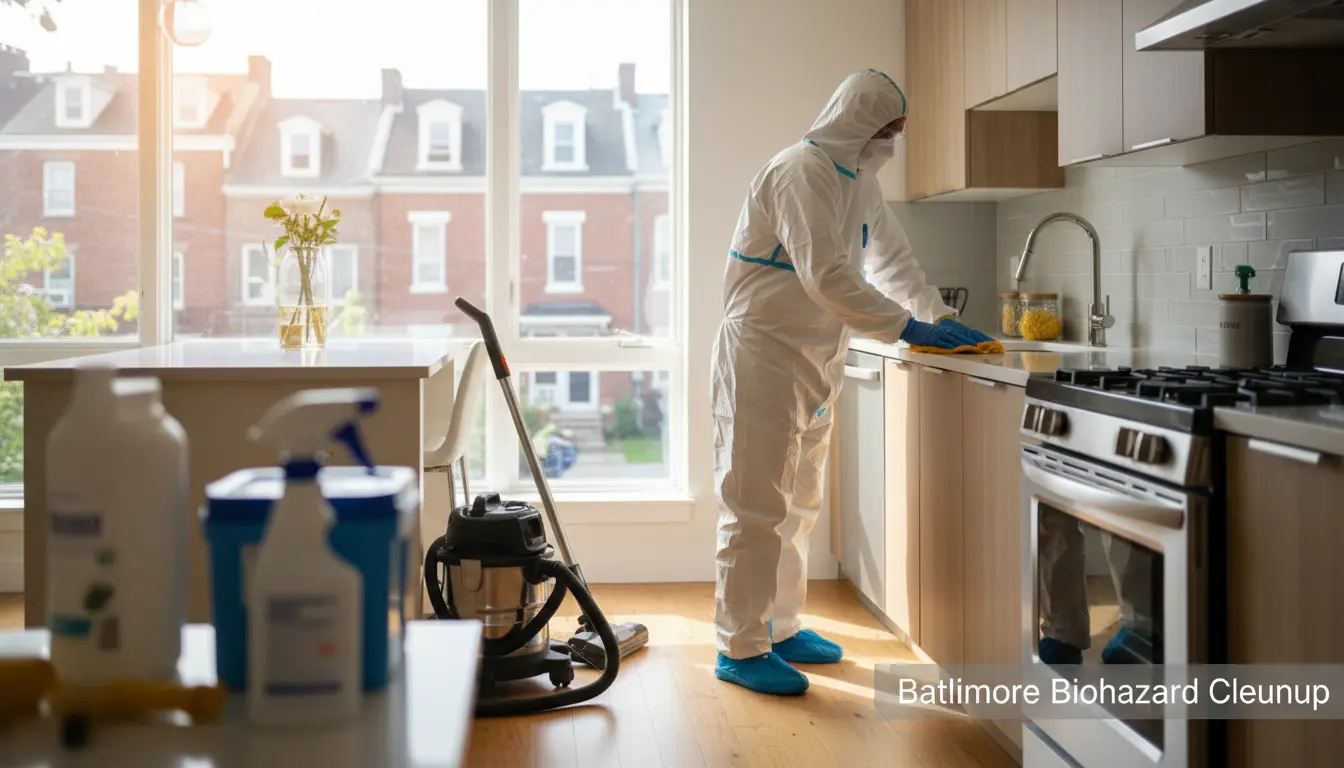
Start with regular sanitization of high-touch surfaces like doorknobs, countertops, and bathrooms. Use EPA-approved disinfectants effective against bloodborne pathogens. For households in Charles Village’s historic homes, where dust and allergens accumulate, vacuum with HEPA filters weekly to trap potential bio-contaminants.
Personal Protective Equipment (PPE)
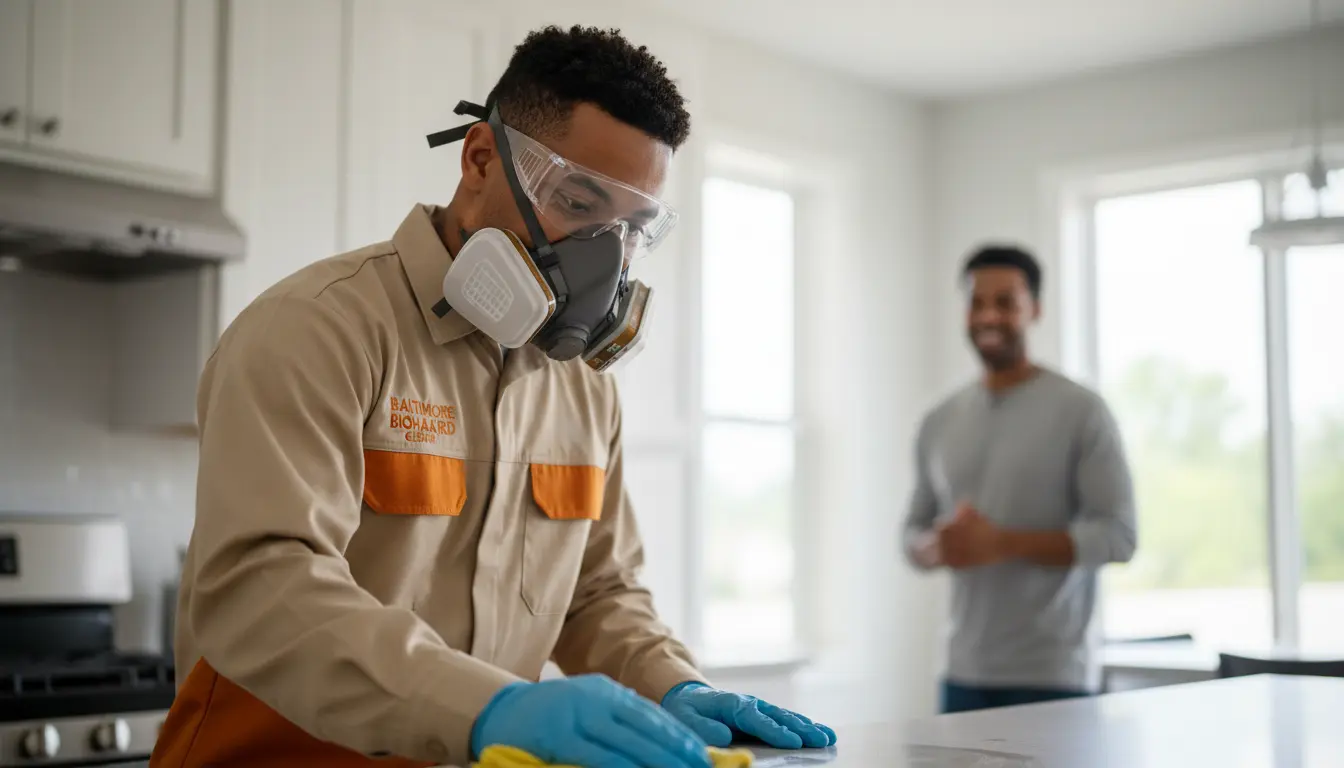
When dealing with potential hazards, such as cleaning up after a minor injury, always wear gloves and masks. This is especially important in communal spaces like community centers in Fells Point. Train family members or employees on PPE usage to create a culture of safety.
Pro tip: Stock a biohazard kit with gloves, goggles, and absorbent materials. If an incident occurs, this can prevent the need for professional blood spill cleanup.
Strategy 2: Secure Waste Management Practices
Improper waste disposal is a leading cause of biohazard spread in urban areas like Baltimore. From household medical waste to restaurant leftovers, mishandling can lead to contamination.
Proper Segregation and Disposal
Separate biohazardous waste, such as used bandages or syringes, from regular trash. In Baltimore, adhere to local regulations by using designated sharps containers for needles. For businesses in Perry Hall, partner with certified waste services to ensure compliance.
Rodent and Pest Control
Baltimore’s older infrastructure makes it prone to pests that carry diseases. Schedule monthly inspections and use sealed bins for garbage. In areas like Parkville, where green spaces attract wildlife, keep outdoor waste enclosed to prevent animal access.
Actionable advice: Conduct a monthly waste audit in your home or office. Identify leaks or overflows and address them immediately to avoid bacterial growth.
Strategy 3: Emergency Preparedness Planning
Preparation turns potential disasters into manageable situations. Baltimore’s emergency services are top-notch, but personal plans ensure faster response.
Develop a Family or Business Plan
Create an emergency protocol that includes evacuation routes and contact numbers. For residents in Annapolis, incorporate flood risks, as water can spread contaminants. Include steps for isolating affected areas and notifying professionals like Baltimore Biohazard Cleanup at (410) 709-0617.
Training and Drills
Hold quarterly drills to practice response to scenarios like an unattended death. This is vital in high-density neighborhoods like Fells Point, where quick containment prevents neighbor exposure. Resources from the Baltimore City Health Department can guide your training.
By being prepared, you minimize the scope of unattended death cleanup required.
Strategy 4: Regular Maintenance and Inspections
Neglected maintenance can turn minor issues into biohazard hotspots. Baltimore’s variable weather—from humid summers to cold winters—accelerates deterioration.
Home and Property Checks
Inspect plumbing, HVAC systems, and roofs biannually for leaks that foster mold and bacteria. In Charles Village’s Victorian homes, check for hidden water damage behind walls. Address issues promptly to prevent microbial growth.
Professional Assessments
Hire certified inspectors for annual biohazard risk evaluations, especially in older buildings common in Parkville. This proactive step can identify vulnerabilities before they escalate.
Practical tip: Use moisture meters to detect damp areas early. Combine this with ventilation improvements to keep air quality high.
Strategy 5: Community and Education Initiatives
Biohazards don’t respect property lines, so community involvement is key in Baltimore’s tight-knit neighborhoods.
Engage with Local Resources
Participate in Baltimore City Health Department workshops on biohazard awareness. In areas like Perry Hall, join neighborhood associations to share best practices.
Educate and Advocate
Spread knowledge through school programs or workplace seminars. For instance, teach proper first aid to avoid contamination during accidents. Encourage reporting of potential hazards to authorities.
By fostering education, you contribute to a safer Baltimore, reducing the demand for biohazard waste transport services.
FAQ: Common Questions About Biohazard Prevention in Baltimore
What are the most common biohazards in the Baltimore area?
Common biohazards include blood spills from accidents, bodily fluids from unattended deaths, and sewage backups. Baltimore’s urban density amplifies these risks, particularly in older homes.
How quickly should I respond to a potential biohazard?
Immediate action is crucial—contain the area and avoid contact. Call professionals like Baltimore Biohazard Cleanup at (410) 709-0617 for safe handling within hours.
Are there local regulations for biohazard prevention in Baltimore?
Yes, the Maryland Department of the Environment enforces strict guidelines. Always use licensed services for disposal to comply and avoid fines.
Can I prevent biohazards in rental properties?
Absolutely. Landlords in areas like Fells Point should mandate tenant education and regular inspections to maintain safety standards.
What if prevention fails— what’s next?
Contact emergency services for immediate response. Our team at Baltimore Biohazard Cleanup specializes in rapid, thorough remediation to restore your property.
Conclusion: Take Control of Your Safety Today
Preventing biohazards in the Baltimore area requires vigilance, education, and community effort. From hygiene protocols to emergency planning, these five strategies equip you to protect your loved ones and property. Remember, in neighborhoods like Charles Village or Perry Hall, a proactive approach can make all the difference.
Don’t wait for an incident to strike. If you’re dealing with a biohazard or need advice on prevention, Baltimore Biohazard Cleanup is here to help. Reach out at (410) 709-0617 for expert guidance or to schedule a consultation. Your safety is our priority—let’s keep Baltimore biohazard-free together.