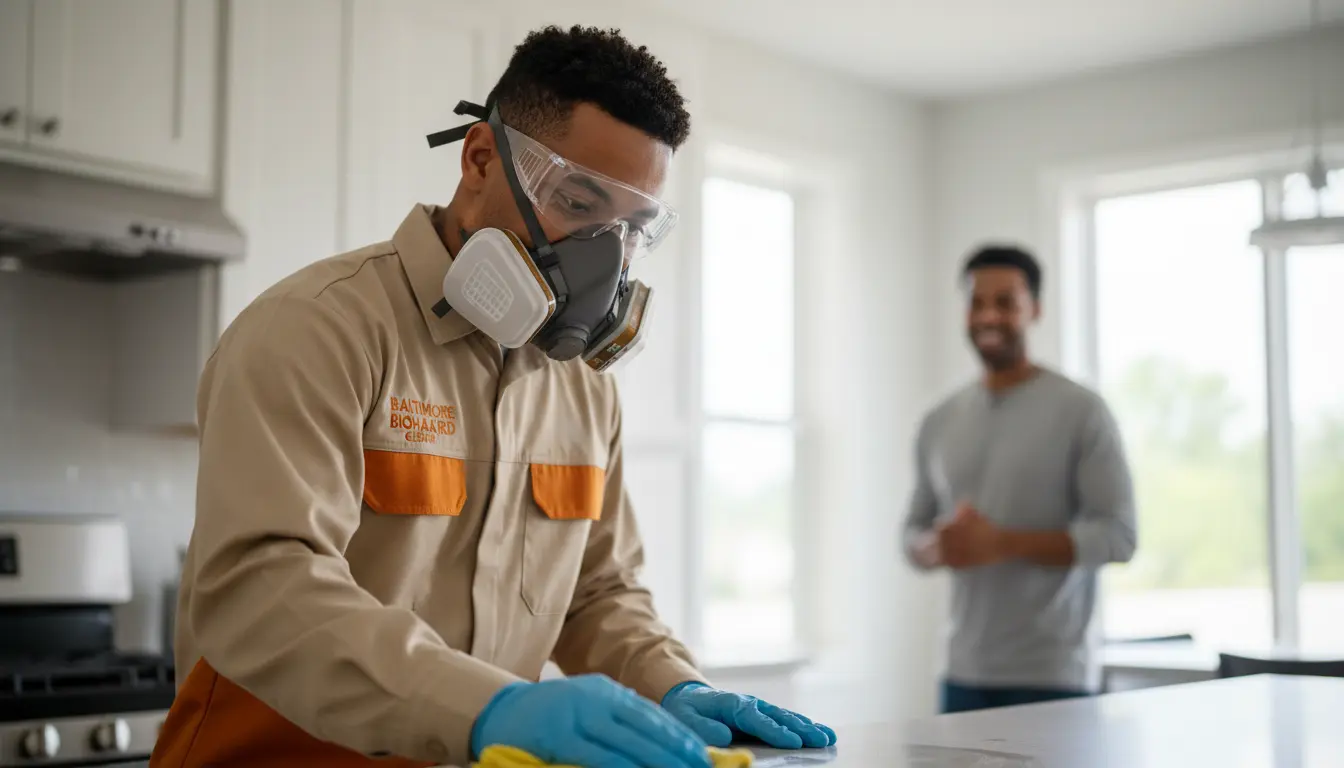
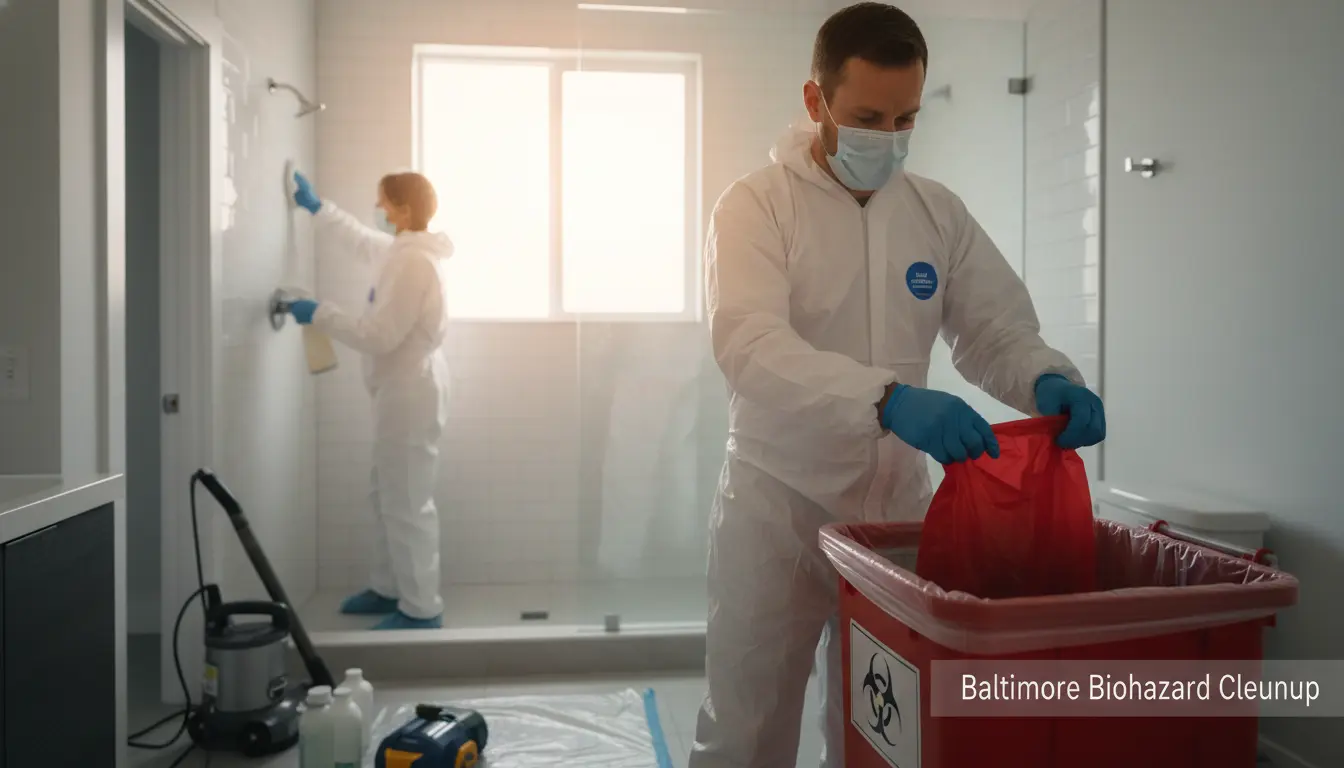
In the bustling heart of Baltimore, where historic charm meets modern enterprise, businesses face unique challenges in maintaining safety and compliance. Imagine a routine medical procedure in a Fells Point clinic turning into a hazardous spill, or a rodent infestation disrupting operations in a Charles Village office. These scenarios highlight the critical need for understanding biohazard regulations. As a leading provider, Baltimore Biohazard Cleanup is here to guide Maryland businesses through these complexities, ensuring your operations remain safe and legally sound.
Whether you’re managing a healthcare facility in Catonsville or a restaurant in White Marsh, biohazard risks are ever-present. This comprehensive guide breaks down Maryland’s regulations, offers practical tips, and emphasizes why professional intervention is key. Let’s dive in to safeguard your business.
What Are Biohazard Regulations?
Biohazard regulations are a framework of laws and standards designed to protect workers, the public, and the environment from biological hazards. These include bloodborne pathogens, infectious waste, and chemical contaminants that can pose serious health risks.
Federal vs. State-Level Guidelines
At the federal level, agencies like the Occupational Safety and Health Administration (OSHA) and the Environmental Protection Agency (EPA) set the baseline. OSHA’s Bloodborne Pathogens Standard (29 CFR 1910.1030) mandates training, personal protective equipment (PPE), and exposure control plans for businesses handling blood or other potentially infectious materials.
In Maryland, these federal rules are amplified by state-specific regulations. The Maryland Department of the Environment (MDE) oversees biohazardous waste management, requiring proper segregation, storage, and disposal. For Baltimore businesses, local health department oversight adds another layer, especially in densely populated areas like Reisterstown, where quick response to incidents is crucial to prevent community spread.
Understanding this hierarchy ensures your business isn’t just compliant but proactive. For instance, Maryland’s COMAR 26.13.03 details infectious waste rules, which go beyond federal minimums by specifying transport protocols.
Key Biohazard Regulations Impacting Maryland Businesses
Maryland businesses, particularly in sectors like healthcare, hospitality, and manufacturing, must navigate a web of regulations. Non-compliance can lead to fines up to $14,502 per violation under OSHA, not to mention reputational damage in a tight-knit community like Baltimore.
OSHA Requirements for Workplace Safety
OSHA demands an Exposure Control Plan for any business with potential biohazard exposure. This includes annual training on hazard recognition and safe work practices. In Baltimore’s vibrant Fells Point district, where small businesses thrive, implementing these plans can prevent costly shutdowns.
Key elements include:
- Identifying high-risk tasks, such as blood spill cleanup.
- Providing Hepatitis B vaccinations to at-risk employees.
- Maintaining incident logs for swift reporting.
EPA and MDE Rules on Waste Disposal
The EPA regulates hazardous waste under RCRA, but for biohazards, Maryland’s MDE takes precedence. Businesses must use licensed transporters for biohazard waste transport, ensuring waste is labeled, stored in leak-proof containers, and disposed of at approved facilities.
For medical offices in Charles Village, this means partnering with certified services to handle medical waste disposal. Improper disposal can contaminate local waterways, a major concern in Baltimore’s Chesapeake Bay watershed.
Local Baltimore Considerations
Baltimore City Health Department enforces additional protocols, especially post-incident. In areas like White Marsh, where industrial activity is high, businesses must comply with zoning laws for on-site storage. Recent audits in Catonsville have highlighted the need for immediate decontamination, underscoring the value of local expertise.
Practical Tips for Compliance in Your MD Business
Compliance isn’t just about ticking boxes—it’s about creating a safer workplace. Here are actionable steps tailored for Baltimore businesses:
Conduct a Risk Assessment
Start with a thorough audit of your operations. Identify potential biohazards, such as needles in a clinic or sewage backups in a restaurant. Use OSHA’s free resources to map risks, then tailor your plan. For businesses in Reisterstown dealing with rodent infestation cleanup, this step is vital to prevent disease transmission like hantavirus.
Tip: Schedule annual assessments and involve employees for comprehensive insights.
Implement Training Programs
Train staff on biohazard recognition and response. Maryland requires at least annual sessions, but quarterly refreshers build confidence. Cover topics like donning PPE correctly and the chain of custody for waste.
Actionable Advice: Use interactive simulations for hands-on learning. In Baltimore’s fast-paced environment, quick response training can minimize exposure during incidents.
Invest in Proper Equipment and Services
Stock up on PPE, spill kits, and sharps containers. For decontamination, opt for professional disinfection and sanitization services to ensure thorough cleanup.
Pro Tip: Choose EPA-registered disinfectants effective against pathogens like MRSA. For Baltimore businesses in high-traffic areas like Fells Point, regular sanitization prevents cross-contamination.
Develop an Emergency Response Plan
Outline steps for biohazard incidents, including who to call and how to secure the area. Integrate local emergency services and certified cleanup teams. In Charles Village, where historic buildings limit access, a clear plan speeds up response times.
Remember, documentation is key—keep records for at least three years to demonstrate due diligence during inspections.
Common Biohazards in Baltimore Businesses and How to Handle Them
Baltimore’s diverse economy exposes businesses to various biohazards. Healthcare facilities face bloodborne pathogens, while food services contend with bacterial contamination.
Blood and Bodily Fluids
Spills from injuries require immediate containment. Follow OSHA’s seven-step cleanup process, but for safety, call professionals for blood spill cleanup. In Catonsville clinics, this prevents needlestick injuries.
Infectious Waste from Operations
From expired vaccines to surgical waste, proper handling is non-negotiable. Use color-coded bags and schedule regular pickups to avoid accumulation.
Rodent and Pest-Related Hazards
In older Baltimore structures, rodents carry diseases. Early detection through rodent infestation cleanup services in areas like White Marsh can avert outbreaks.
By addressing these proactively, businesses not only comply but enhance employee morale and customer trust.
FAQ: Biohazard Regulations for Maryland Businesses
What qualifies as a biohazard in Maryland?
Biohazards include any material that poses a threat to human health, such as blood, bodily fluids, cultures, and certain chemicals. Maryland’s MDE defines them broadly to cover workplace and medical waste.
How often do I need to train employees on biohazards?
OSHA requires annual training, but Maryland recommends more frequent sessions for high-risk industries. Document all sessions to prove compliance.
What are the penalties for non-compliance in Baltimore?
Fines can reach $70,000 for willful violations, plus potential business closures. Local health departments may impose additional sanctions.
Can small businesses in Reisterstown handle biohazards in-house?
While possible for minor incidents, professional services are advised for complex cleanups to ensure regulatory adherence and safety.
How do I dispose of medical waste properly?
Use licensed haulers for transport to incineration or autoclave facilities. Contact Baltimore Biohazard Cleanup for compliant medical waste disposal solutions.
Conclusion: Stay Compliant and Safe with Expert Help
Navigating biohazard regulations in Maryland doesn’t have to be overwhelming. By understanding key requirements, implementing practical measures, and leveraging local resources, Baltimore businesses can thrive safely. From the historic streets of Fells Point to the growing hubs in White Marsh, protection starts with knowledge and action.
At Baltimore Biohazard Cleanup, we’re committed to supporting your compliance journey. Our certified team handles everything from assessment to decontamination, ensuring peace of mind. Don’t wait for an incident—contact us today at (410) 709-0617 for a free consultation and safeguard your business now.