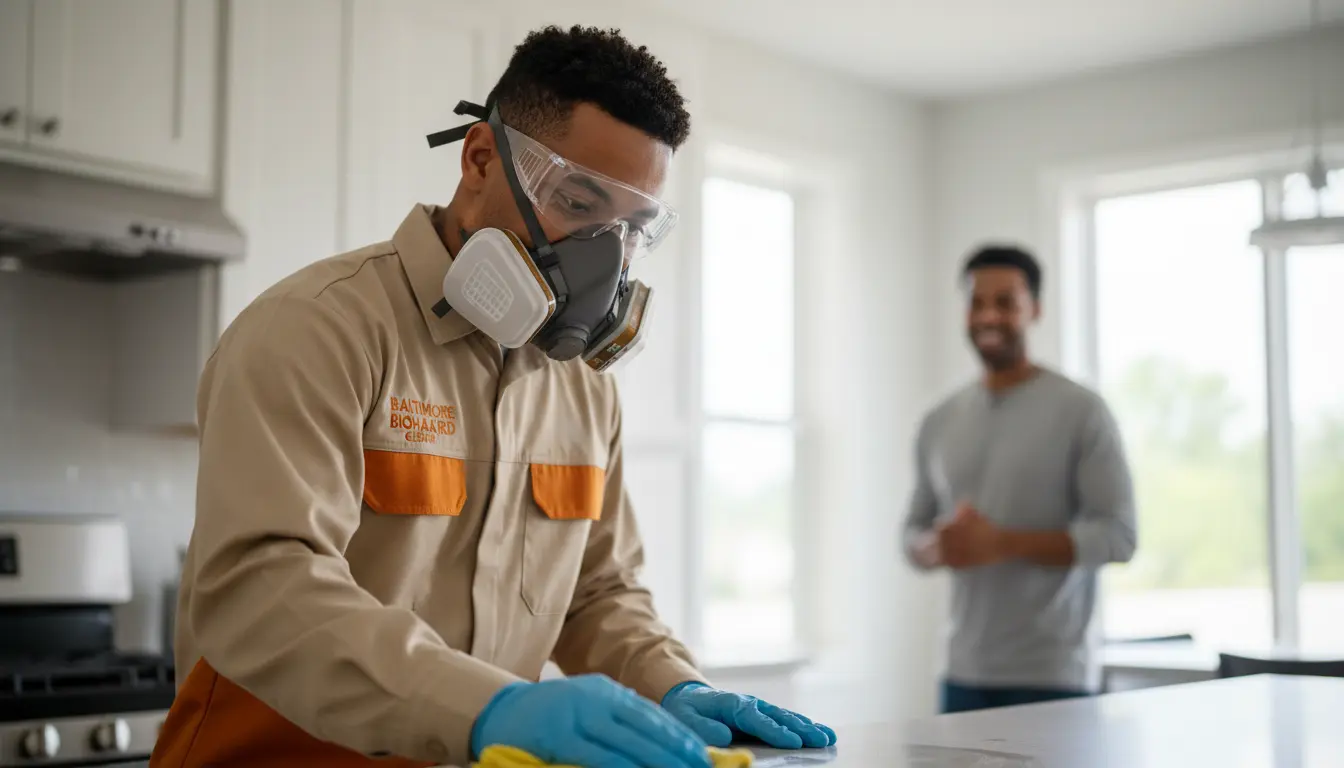
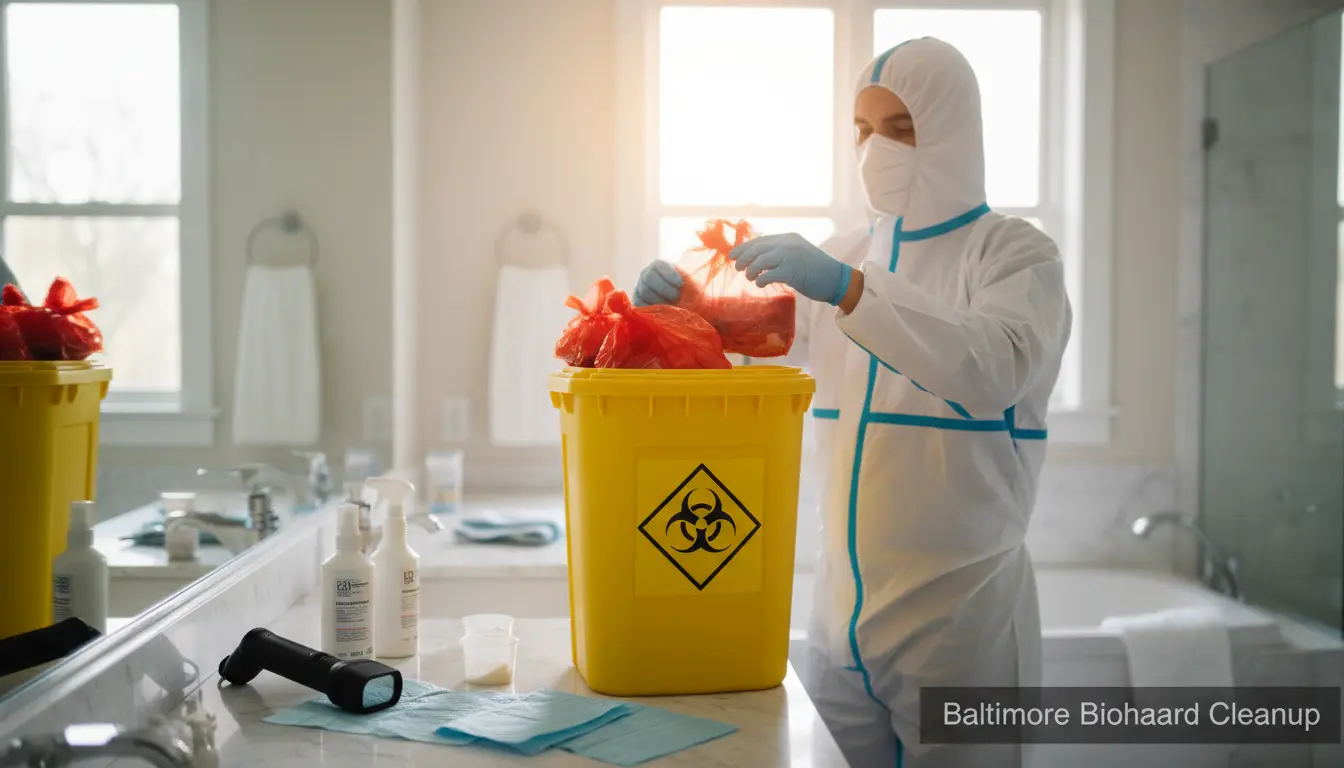
In the bustling city of Baltimore, where healthcare facilities and medical practices thrive, proper medical waste disposal isn’t just a best practice—it’s a legal and ethical necessity. From hospitals in Roland Park to clinics in Highlandtown, mishandling biohazardous materials can lead to serious health risks, environmental contamination, and hefty fines. At Baltimore Biohazard Cleanup, we specialize in ensuring that medical waste is handled safely and efficiently. This guide dives into essential tips to help you navigate Maryland’s regulations, protect your community, and maintain compliance. Whether you’re a healthcare provider or managing a facility, these insights will empower you to make informed decisions.
Understanding Medical Waste in Maryland
Maryland has stringent regulations for medical waste disposal, overseen by the Maryland Department of the Environment (MDE) and aligned with federal EPA guidelines. Medical waste includes anything contaminated with blood, bodily fluids, or infectious agents—think sharps, bandages, and lab cultures. In Baltimore, where urban density amplifies risks, improper disposal can spread pathogens like hepatitis or MRSA.
Types of Medical Waste You Need to Know
Not all waste is created equal. Categorize it correctly to avoid cross-contamination:
- Infectious Waste: Items like used gloves or swabs from patient care.
- Sharps Waste: Needles, scalpels, and broken glass that can cause punctures.
- Pathological Waste: Tissues, organs, or fluids from surgeries.
- Pharmaceutical Waste: Expired drugs or chemotherapy residues.
Failing to segregate these can result in violations under Maryland’s COMAR 26.13.03 regulations. For instance, in White Marsh facilities, we’ve seen how proper sorting prevents costly rework.
Key Regulations for Compliance in Baltimore
Maryland mandates that all generators of medical waste—hospitals, dental offices, even home care providers—follow specific protocols. Treatment must render waste non-infectious, typically via autoclaving, incineration, or chemical disinfection. Baltimore facilities must register with the MDE and use licensed haulers.
Licensing and Registration Essentials
Start by obtaining a Medical Waste Generator ID from the MDE. Annual reports are required, detailing waste volumes and disposal methods. In Baltimore, non-compliance can lead to fines up to $25,000 per violation. Partnering with certified services like our medical waste disposal ensures you’re audit-ready.
Transport and Storage Rules
Waste must be stored in leak-proof, labeled containers (red bags for infectious, yellow for sharps). Transport vehicles need permits, and chains of custody must be documented. For emergency situations in Cockeysville, quick response is key—delays can escalate hazards.
Practical Tips for Safe Medical Waste Disposal
Implementing best practices minimizes risks and streamlines operations. Here’s actionable advice tailored for Maryland’s context.
Tip 1: Implement Segregation at the Source
Segregate waste immediately at the point of generation. Use color-coded bins: red for infectious, blue for regular. Train staff regularly—consider Baltimore’s high turnover in healthcare by incorporating quick refreshers. This reduces volume by up to 90% and cuts disposal costs.
Tip 2: Choose the Right Containers and Labels
Opt for puncture-resistant sharps containers and biohazard-labeled bags. In humid Baltimore summers, ensure containers are sealed to prevent mold. Regularly inspect for damage; replace as needed to comply with OSHA standards.
Tip 3: Schedule Regular Pickups and Track Waste
Don’t let waste accumulate—schedule bi-weekly hauls for high-volume sites like those in Perry Hall. Use digital tracking software to monitor manifests, ensuring traceability from cradle to grave.
Tip 4: Train Your Team Thoroughly
Annual training on handling, PPE use, and spill response is non-negotiable. Simulate scenarios, like a needle stick in a busy ER, to build confidence. Baltimore Biohazard Cleanup offers customized sessions to keep your team sharp.
Tip 5: Handle Spills and Emergencies Promptly
Accidents happen. For blood spills, isolate the area and use absorbents before cleanup. Our blood spill cleanup services are available 24/7 for Baltimore-area incidents, ensuring rapid decontamination.
Integrating Biohazard Cleanup with Waste Management
Medical waste disposal often intersects with broader biohazard scenarios. For unattended deaths or trauma scenes in Baltimore, combine disposal with professional remediation. Our emergency biohazard response integrates seamlessly, covering everything from initial assessment to final disposal.
In facilities dealing with disinfection post-waste handling, explore our disinfection and sanitization protocols to maintain sterile environments.
Common Challenges and How to Overcome Them
Baltimore’s older buildings and traffic can complicate logistics. Overcome storage issues by using compact, stackable units. For cost concerns, audit your waste stream to identify reduction opportunities—recycling non-hazardous items can save thousands annually.
Budget for certified disposal over cheap alternatives; the latter often lead to regulatory headaches. In high-risk areas like Highlandtown, proactive planning prevents disruptions.
FAQ: Medical Waste Disposal in Maryland
What are the penalties for improper medical waste disposal in Baltimore?
Fines can range from $1,000 to $25,000 per incident, plus potential shutdowns. Always use licensed providers to stay compliant.
How often should medical waste be collected in a small clinic?
Weekly for low-volume generators; more frequently for sharps-heavy practices. Consult MDE guidelines for your specifics.
Can households in Maryland dispose of medical waste themselves?
Limited sharps can go in household trash if sealed, but infectious waste requires professional handling. Contact us for home care support.
What PPE is required for handling medical waste?
Gloves, gowns, masks, and eye protection per OSHA. Train on proper donning/doffing to avoid exposure.
How does Baltimore Biohazard Cleanup ensure eco-friendly disposal?
We use EPA-approved methods like autoclaving, minimizing landfill impact while complying with Maryland’s sustainability goals.
Conclusion: Prioritize Safety with Expert Help
Mastering medical waste disposal in Maryland safeguards health, complies with laws, and protects Baltimore’s communities. From segregation basics to emergency protocols, these tips equip you for success. Don’t risk it—partner with Baltimore Biohazard Cleanup for reliable, compliant services. Call us at (410) 709-0617 today to schedule a consultation and ensure your facility is biohazard-free. Your safety is our priority.