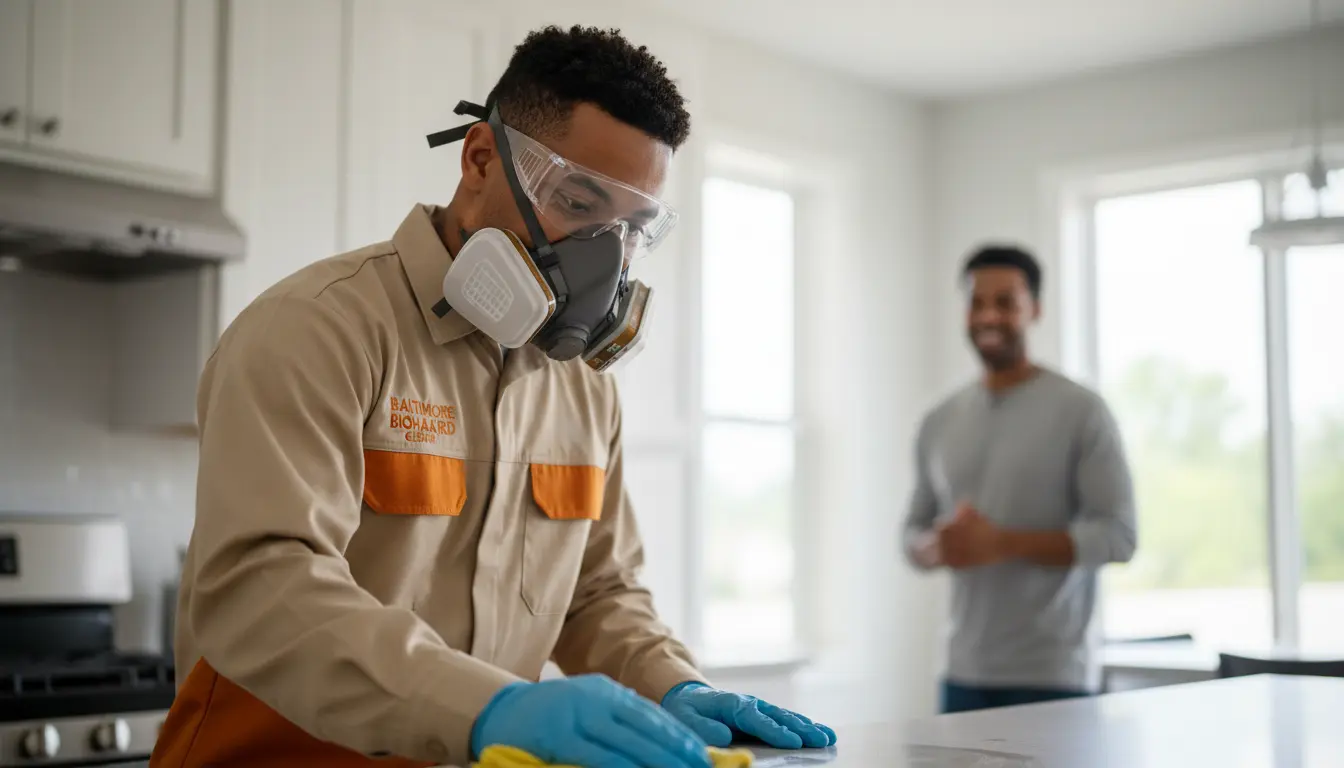
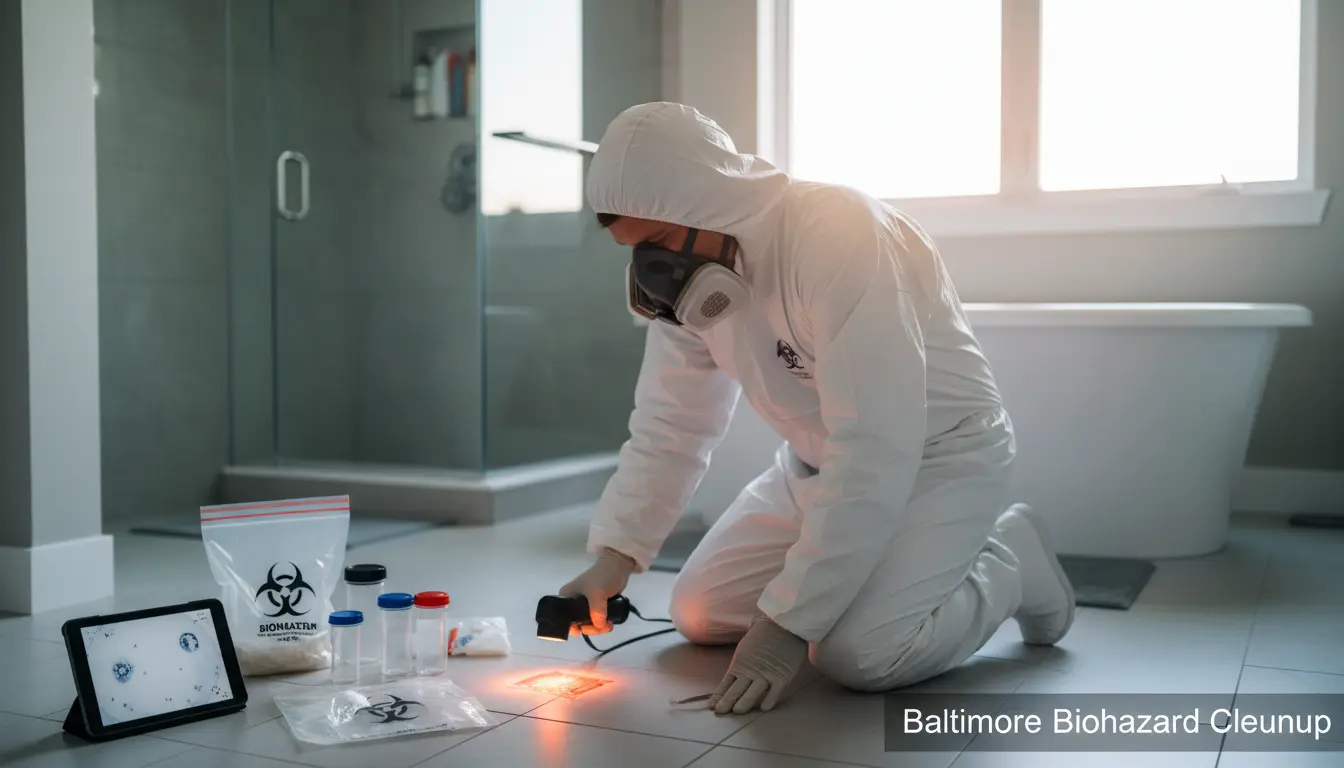
Living in the vibrant city of Baltimore comes with its unique charms—from the historic rowhouses in Fells Point to the bustling energy of Mount Vernon. But beneath the surface, many homes harbor invisible dangers: biohazards that can compromise your health and safety. As a leading provider of biohazard cleanup services in Baltimore, we’ve seen firsthand how these threats lurk in unexpected places. In this post, we’ll reveal seven shocking statistics about biohazards in local homes, backed by reliable data, and share practical tips to safeguard your space. Whether it’s mold from the humid Chesapeake climate or remnants from urban wildlife, knowledge is your first line of defense. Let’s dive in and uncover what might be hiding in your Baltimore home.
The Hidden Dangers: Understanding Biohazards in Urban Homes
Biohazards refer to biological substances that pose a threat to human health, including bacteria, viruses, fungi, and bodily fluids. In a city like Baltimore, with its mix of older housing stock and dense population, these risks are amplified. According to the CDC, exposure to biohazards can lead to respiratory issues, infections, and long-term health complications. But how prevalent are they really in our neighborhoods?
Stat 1: Mold Infestation Affects 1 in 3 Baltimore Homes
A study by the Environmental Protection Agency (EPA) reveals that up to 70% of homes in humid regions like the Mid-Atlantic have some level of mold growth, with Baltimore’s older homes particularly vulnerable. In fact, local inspections show that nearly one in three residences in areas like Owings Mills report mold issues due to leaky roofs and poor ventilation.
Mold thrives in Baltimore’s damp weather, often starting in basements or attics. If left unchecked, it can trigger allergies, asthma attacks, and even structural damage. We’ve handled countless cases where black mold has spread undetected for years.
Practical Tip: Early Detection for Mold Prevention
To combat this, regularly inspect your home for musty odors or water stains, especially after heavy rains common in Baltimore winters. Use a dehumidifier in basements and ensure proper attic ventilation. If you suspect mold, avoid DIY removal—contact professionals for safe remediation to prevent spore spread. For expert trauma scene remediation that extends to mold hazards, reach out to us.
Rodent and Pest-Related Biohazards: A Growing Concern
Baltimore’s urban landscape provides ample opportunities for pests, turning homes into breeding grounds for biohazards like hantavirus from rodent droppings.
Stat 2: Rodents Infest 25% of Inner Harbor Area Homes
Data from the Baltimore City Health Department indicates that rodent infestations affect about 25% of homes near the Inner Harbor, including neighborhoods like Fells Point. These pests carry diseases such as leptospirosis, which can spread through contaminated water or air.
In one recent survey, over 40% of residents in these areas reported seeing signs of rodent activity, exacerbating biohazard risks in cluttered spaces.
Actionable Advice: Securing Your Home Against Rodents
Seal entry points around pipes and doors with steel wool, and store food in airtight containers. Regularly clean attics and garages to eliminate nesting sites. If an infestation occurs, professional intervention is crucial to handle biohazardous waste safely. Our rodent infestation cleanup services in Baltimore ensure thorough decontamination, protecting families in high-risk areas like Fells Point.
The Overlooked Risks of Unattended Deaths and Trauma
Tragic events can leave behind biohazards that require specialized cleanup, a sobering reality in any city.
Stat 3: Unattended Deaths Occur in 15% More Baltimore Homes Than National Average
According to forensic reports, Baltimore sees about 15% higher incidents of unattended deaths in homes compared to the national average, often in isolated senior living situations in suburbs like Severna Park. Decomposition can release fluids that contaminate surfaces, posing infection risks.
These scenes demand immediate professional response to mitigate airborne pathogens.
Stat 4: Crime Scenes Leave Biohazards in 1 in 10 Urban Residences
Local police data shows that crime-related biohazards affect roughly 10% of Baltimore’s urban homes annually, from blood spills to other fluids. In dense areas like Mount Vernon, delayed cleanups can lead to secondary contamination.
Tips for Handling Trauma Scenes Safely
Never attempt to clean up after a crime or unattended death yourself—biohazards like bloodborne pathogens require EPA-approved protocols. Document the scene for authorities first, then call in certified experts. At Baltimore Biohazard Cleanup, our crime scene cleanup team uses PPE and disinfectants to restore safety, serving communities in Mount Vernon.
Hoarding and Neglect: Breeding Grounds for Biohazards
Hoarding disorders amplify biohazard risks, turning homes into health hazards.
Stat 5: Hoarding Affects 5-6% of Baltimore Households
The National Alliance on Mental Illness estimates that 5-6% of U.S. households deal with hoarding, but in Baltimore’s older rowhome districts like Glen Burnie, the rate climbs due to space constraints and economic factors. Accumulated waste fosters bacteria and insects, creating severe biohazard environments.
Piles of debris can hide mold, pests, and even sewage backups.
Practical Steps to Address Hoarding Safely
If you or a loved one struggles with hoarding, start small by decluttering one room at a time with professional organizers. For biohazard cleanup, prioritize removing contaminated items with proper disposal. Our hoarding cleanup services in areas like Glen Burnie combine compassion with expertise to decontaminate and restore livable conditions.
Emerging Threats: Sewage and Medical Waste
Everyday incidents can introduce biohazards unexpectedly.
Stat 6: Sewage Backups Impact 20% of Baltimore Basements Yearly
With aging infrastructure, the Baltimore Water Department reports that 20% of homes experience sewage backups annually, especially in flood-prone spots like Owings Mills. These events release E. coli and other pathogens into living spaces.
Stat 7: Improper Medical Waste Disposal in 12% of Homes with Seniors
In Baltimore’s growing senior population, about 12% of homes mishandle medical waste like needles or bandages, per AARP studies, leading to hepatitis risks. This is particularly common in suburban areas like Severna Park.
Actionable Advice for Sewage and Medical Waste Management
Install backflow preventers on drains to avoid sewage issues during storms. For medical waste, use sharps containers and schedule regular pickups. If contamination occurs, ventilate the area and call professionals immediately. We specialize in unattended death cleanup that covers these scenarios, ensuring your Owings Mills home is pathogen-free.
FAQ: Common Questions About Biohazards in Baltimore Homes
What Are the Most Common Signs of Biohazards in My Home?
Look for unusual odors, visible mold, pest droppings, or unexplained stains. In Baltimore’s humid climate, persistent dampness is a red flag.
How Quickly Should I Address a Biohazard Situation?
Immediately—delays can worsen contamination. For urgent needs, contact Baltimore Biohazard Cleanup at (410) 709-0617 for 24/7 response.
Is DIY Cleanup Safe for Biohazards?
No, it risks exposure to pathogens. Always hire certified professionals to follow OSHA guidelines.
Does Homeowners Insurance Cover Biohazard Cleanup in Baltimore?
Many policies do, especially for sudden events like floods or crimes. Check your policy or ask us for guidance.
How Can I Prevent Biohazards in My Baltimore Home?
Maintain cleanliness, fix leaks promptly, and schedule annual inspections. In pest-prone areas, use preventive treatments.
Conclusion: Take Control of Your Home’s Safety Today
These seven shocking stats highlight the pervasive biohazard risks in Baltimore homes, from mold in historic Fells Point rowhouses to rodent issues in urban cores. But armed with this knowledge and proactive steps, you can protect your loved ones. Remember, early intervention is key—don’t wait for a crisis.
At Baltimore Biohazard Cleanup, we’re dedicated to serving all of Baltimore and surrounding areas with compassionate, efficient services. Whether it’s rodent infestation cleanup or full trauma scene remediation, our team is here to help restore peace of mind. Contact us today at (410) 709-0617 for a free consultation and let’s make your home safe again.