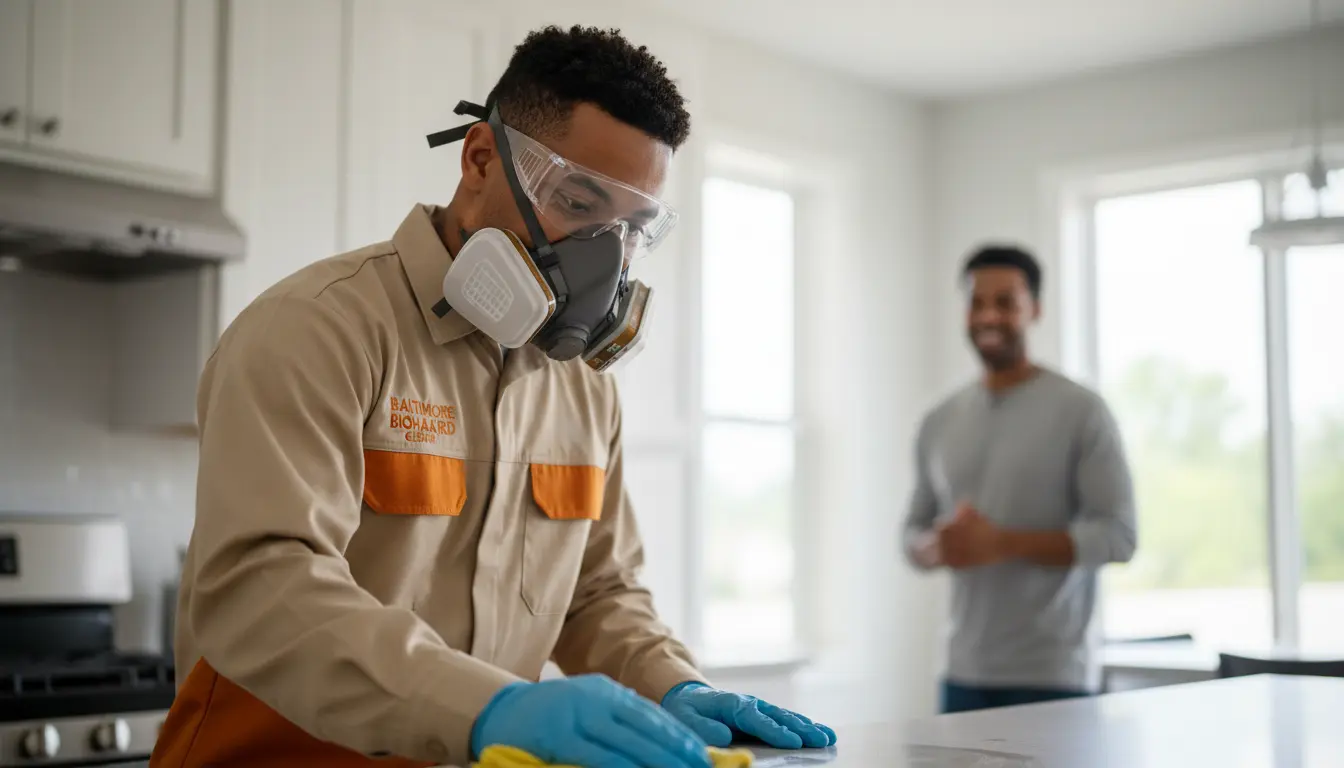
The most expensive mistake a Baltimore property owner can make after a traumatic incident is assuming that any cleaning company can handle biohazard remediation. Choosing a standard janitorial service or, worse, attempting a do-it-yourself cleanup can lead to catastrophic health consequences, significant legal liability, and a permanent reduction in property value. A single overlooked bloodborne pathogen can expose your family, tenants, or employees to Hepatitis B, Hepatitis C, or HIV, while improper waste disposal can result in fines from the Maryland Department of the Environment that far exceed the cost of professional remediation.
Understanding the true cost of biohazard cleanup in Baltimore requires more than just comparing hourly rates. It demands a clear grasp of the scientific processes, regulatory requirements, and structural challenges that define proper remediation. This guide provides a transparent breakdown of what you should expect to pay for professional biohazard cleanup in 2026, why those costs exist, and how to ensure you are hiring a certified, IICRC-trained team that will restore your property safely and completely.
Baltimore Biohazard Cleanup operates as the premier provider of trauma and crime scene remediation in the region, combining technical rigor with compassionate, discreet service. Our pricing reflects the advanced equipment, specialized training, and strict adherence to OSHA and EPA standards that every property deserves.
The Technical Process Behind Professional Biohazard Remediation
Professional biohazard remediation is a multi-stage scientific procedure, not a simple cleaning job. The process begins with a comprehensive initial risk assessment, where a certified technician evaluates the extent of contamination, identifies all affected materials, and determines the specific pathogens present. This assessment directly informs the scope of work and the final cost, as it reveals whether contamination has migrated into porous surfaces, HVAC systems, or shared structural elements common in Baltimore’s historic rowhomes.
Following the assessment, the team establishes a containment zone using heavy-gauge polyethylene sheeting and negative air machines. These industrial-grade units create a pressure differential that prevents airborne pathogens from escaping into unaffected areas of the property. This step is non-negotiable for preventing cross-contamination and is one of the most common omissions in substandard cleanup attempts.
Physical Removal and Chemical Sanitization
All visible biohazardous materials, including blood, tissue, and other bodily fluids, are physically removed using specialized tools such as hospital-grade absorbents and forensic cleaning implements. The team then applies EPA-registered disinfectants with proven efficacy against bloodborne pathogens. These chemicals require a specific dwell time—typically 10 to 15 minutes—to achieve viral inactivation and bacterial containment. Skipping this dwell time renders the entire disinfection process ineffective.
After chemical application, the team performs adenosine triphosphate (ATP) fluorescence testing. This technology measures the presence of organic material on a surface by detecting the light emitted from ATP molecules. A reading below a specific threshold confirms that the surface is microbiologically clean. This objective verification is a cornerstone of professional remediation and a service that standard cleaning companies cannot provide.
Addressing Baltimore’s Unique Climate Challenges
The Mid-Atlantic seasonal humidity in Baltimore accelerates bio-decomposition rates and intensifies odor migration, particularly in older housing stock with porous brick and unsealed wood. Professional teams use specialized enzyme treatments that break down organic matter at a molecular level, neutralizing odors at their source rather than merely masking them. Failure to address this deep-seated contamination can lead to long-term microbial remediation issues that compromise indoor air quality for years.
The final stage involves structural decontamination and, where necessary, the removal and replacement of porous materials such as drywall, carpet, and insulation. This decision is based on the extent of saturation and the material’s ability to be effectively cleaned, not on cosmetic appearance.