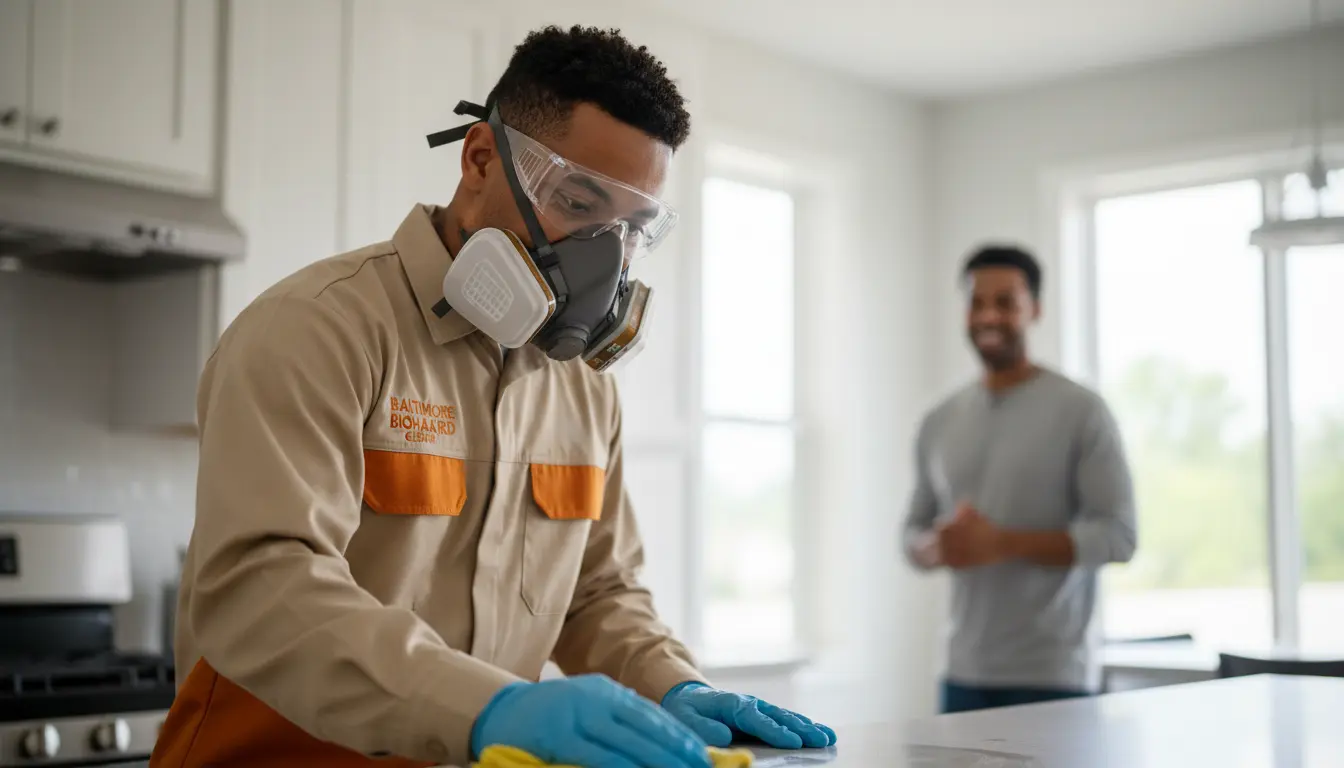
When most people hear the term ‘biohazard cleanup,’ they picture a crew with mops and bleach erasing a mess. The reality is far more complex. Biohazard remediation is a specialized field governed by OSHA bloodborne pathogens standards, IICRC S540 protocols, and EPA regulations—a far cry from standard residential cleaning. In the dense urban landscape of Baltimore, particularly around the Inner Harbor and nearby communities like Fells Point, Federal Hill, and Canton, properties often present unique challenges: shared walls in historic rowhomes, aging infrastructure, and high humidity that accelerates biological decomposition. That is why residents and property managers need a service provider that understands both the science of containment and the geography of the city.
Baltimore Biohazard Cleanup offers precisely that expertise, combining rigorous training with local knowledge to restore safety and peace of mind. Whether you are dealing with a crime scene, unattended death, infectious disease outbreak, or hoarding situation, the stakes are high. Improper handling can lead to cross-contamination, legal liability, and long-term health risks. This article explains what professional biohazard cleanup services near Inner Harbor and nearby communities actually involve, how they differ from ordinary cleaning, and why relying on certified technicians is the only safe option in Baltimore.
The Technical Process of Professional Biohazard Remediation
Professional biohazard remediation follows a strict, science-backed workflow designed to eliminate all biological hazards and restore the property to a safe, habitable condition. The process begins with a comprehensive risk assessment. Technicians evaluate the type and extent of contamination, identify structural vulnerabilities, and determine the necessary containment zones. In Baltimore’s historic rowhomes, where walls are often shared with neighboring units, this assessment is critical to prevent biological seepage into adjacent properties.
Next, the team establishes a containment perimeter using polyethylene sheeting and negative air machines. These industrial-grade units create negative pressure within the work area, ensuring that airborne pathogens, spores, and particulate matter do not escape into unaffected parts of the building or the surrounding community. This is particularly important in densely populated neighborhoods like Inner Harbor, where open windows or shared ventilation systems can quickly spread contaminants.
Once containment is secured, technicians don full personal protective equipment (PPE) including Tyvek suits, N95 respirators, and chemical-resistant gloves. They then meticulously remove all biohazardous materials—blood, bodily fluids, tissue, and other potentially infectious matter—using specialized tools such as HEPA vacuums and enzyme-based cleaners that break down organic matter at the molecular level. After removal, the area undergoes a thorough cleaning with hospital-grade disinfectants registered with the EPA for use against pathogens like hepatitis B, HIV, and norovirus.
To verify that the site is truly safe, technicians perform adenosine triphosphate (ATP) fluorescence testing. This rapid test measures the presence of organic residue on surfaces; a reading below a specified threshold confirms that the area has been effectively decontaminated. Finally, the team may apply an antimicrobial sealant or encapsulant to porous surfaces that cannot be removed, ensuring that any remaining hidden pathogens are permanently neutralized. Throughout this process, the humidity and temperature of the space are monitored, as Baltimore’s humid Mid-Atlantic climate can accelerate decomposition and odor migration, requiring faster response times and more aggressive ventilation strategies.
Data Comparison: Professional Biohazard Remediation vs. Standard Residential Cleaning
| Feature / Metric | Professional Biohazard Remediation | Standard Residential Cleaning |
|---|---|---|
| Regulatory Compliance | OSHA 29 CFR 1910.1030, IICRC S540, EPA, DOT | No regulatory oversight |
| Pathogen Elimination | EPA-registered hospital-grade disinfectants, ATP verification | Household bleach or all-purpose cleaners |
| Structural Assessment | Identifies hidden saturation, porous material replacement needs | Surface-only cleaning, may miss contamination |
| Waste Disposal | Segregated, tracked, incinerated via licensed medical waste facility | Typically sent to landfill, violating regulations |
| Odor Control | Industrial ozone or hydroxyl generators, enzyme treatments | Air fresheners or open windows |
Source: IICRC S540 Trauma and Crime Scene Cleanup Standard
Expert Insights: Advanced Diagnostic Tips and Common Mistakes
Experienced biohazard remediation specialists rely on several diagnostic techniques that go beyond what the average person can see or smell. One critical method is using a moisture meter to detect hidden biological seepage behind walls and under flooring. In Baltimore’s older structures, blood or decomposition fluids can travel through gaps in subflooring, saturating joists and plaster without any visible surface stain. Only a professional with the right tools can identify and address these areas, preventing future microbial growth and structural decay.
Another key insight is that porous materials—such as drywall, carpet, and upholstered furniture—must almost always be removed and replaced rather than cleaned. The fibers and pores of these materials trap biological material, making complete disinfection impossible. Attempting to clean them only redistributes pathogens and creates a false sense of safety. Similarly, containing airborne contaminants requires negative pressure; opening windows or running standard fans can actually spread pathogens throughout the building and into adjacent properties.
Property owners in Baltimore often make three common mistakes when faced with a biohazard incident. The first is using household bleach on biological matter. While bleach is a disinfectant, it is rapidly inactivated by organic material and can cause harmful fumes when mixed with other chemicals. The second mistake is waiting for odors to dissipate naturally. Decomposition odors are caused by volatile organic compounds that attract insects and indicate ongoing microbial activity. Waiting only worsens the contamination and increases restoration costs. The third mistake is allowing untrained family members or employees to enter the site before professional remediation. This exposes them to bloodborne pathogens and creates legal liability under OSHA’s General Duty Clause. The consequences can include chronic health issues, structural damage requiring extensive reconstruction, and even fines from regulatory agencies.
Pricing for Biohazard Cleanup Services Near Inner Harbor
Pricing for professional biohazard remediation varies based on the scope and complexity of the job, but understanding the typical cost structure helps property owners plan. Most companies charge a standard site mobilization fee, which covers the cost of dispatching the team, setting up containment, and deploying equipment. Hourly remediation rates range from $150 to $300 per technician, depending on the level of contamination and the required PPE. Additional costs include specialized waste disposal, which is calculated by the weight or volume of biohazardous material and must be handled by a licensed medical waste transporter.
- Standard site mobilization fee: $250–$500 for initial assessment and containment setup
- Hourly remediation rates: $150–$300 per technician (typically a 2–4 person crew)
- Waste disposal: $50–$150 per 55-gallon drum, depending on waste classification
- HVAC decontamination: $400–$1,200 if the heating or cooling system is affected
- Structural material replacement: $500–$3,000+ depending on the extent of drywall, flooring, or insulation removal
Three primary factors influence the final cost. First, the extent of structural material replacement required: if biological fluids have saturated porous materials, removal and replacement become necessary, which increases labor and material costs. Second, the total volume of biohazardous waste: larger incidents generate more waste that must be carefully packaged, labeled, and transported under DOT regulations. Third, the necessity for specialized HVAC decontamination: if the contamination has entered the ventilation system, the entire ductwork may need to be cleaned and disinfected using antimicrobial fogging and HEPA vacuuming, adding significant time and expense.
Safety and Standards: Certifications and Protocols
Adherence to industry standards is not optional—it is the foundation of safe and effective biohazard remediation. Baltimore Biohazard Cleanup follows the IICRC S540 Standard for Trauma and Crime Scene Cleanup, which outlines best practices for containment, removal, disinfection, and verification. All technicians are trained under the OSHA Bloodborne Pathogens Standard (29 CFR 1910.1030), which mandates proper use of PPE, handling of sharps, and post-exposure procedures. Additionally, the company complies with EPA regulations for the use of disinfectants and DOT requirements for the transport of biohazardous waste.
These standards matter in real-world scenarios. For example, when a property owner or landlord attempts to clean up after an unattended death without proper training, they risk exposure to bloodborne pathogens such as hepatitis B, hepatitis C, and HIV. The decomposition process also releases airborne bacteria and fungi that can cause respiratory infections. By using authorized waste management services and following strict chain-of-custody documentation, professional remediation protects everyone involved—from the cleanup crew to future occupants of the property.
Frequently Asked Questions About Biohazard Cleanup
What is the difference between biohazard cleanup and regular cleaning?
Biohazard cleanup is a specialized process that involves the removal and disinfection of potentially infectious materials, such as blood, bodily fluids, and other biological contaminants. Unlike regular cleaning, which focuses on appearance and general hygiene, biohazard remediation follows strict regulatory protocols to eliminate pathogens at the molecular level. It requires specialized training, PPE, and EPA-registered disinfectants, and the waste must be disposed of through licensed medical waste channels. Regular cleaning crews lack the equipment and expertise to safely handle such hazards, and attempting to do so can lead to cross-contamination and legal penalties.
How long does the remediation process take?
The duration depends on the size of the affected area, the type of contamination, and the condition of the property. A small blood spill in a single room may be completed in a few hours, while a full trauma scene cleanup after a homicide or unattended death can take one to three days. Factors that extend the timeline include the need to remove and replace porous materials, decontaminate HVAC systems, and perform ATP testing to verify cleanliness. Baltimore Biohazard Cleanup prioritizes rapid response to minimize health risks and property damage, but thoroughness always takes precedence over speed.
Is biohazard cleanup covered by insurance?
Many homeowner’s insurance policies and commercial property policies cover biohazard cleanup, particularly if the incident is sudden and accidental, such as a crime scene or a death. However, coverage varies widely, and it is essential to review your policy and contact your insurance provider promptly. Baltimore Biohazard Cleanup can assist by providing detailed documentation and invoices that meet insurance requirements. We recommend filing a claim as soon as possible, as delays can complicate the approval process. For situations involving hoarding or deferred maintenance, separate coverage may be needed.
Why is professional remediation necessary for unattended deaths?
Unattended deaths—where a person has passed away and remains undiscovered for days or weeks—pose significant health and safety risks. The decomposition process releases fluids, gases, and airborne pathogens that can permeate walls, floors, and ventilation systems, creating a hazardous environment. Professional remediation is necessary because only trained technicians have the equipment to detect hidden contamination, the expertise to safely remove and dispose of materials, and the ability to neutralize odors and pathogens at the source. Attempting to clean such a scene without professional help can result in chronic health issues, structural damage, and emotional distress for family members. Baltimore Biohazard Cleanup handles these sensitive situations with discretion, compassion, and scientific rigor.
Professional Biohazard Remediation in Baltimore
When a traumatic event or biohazard incident occurs in your home or business near the Inner Harbor, the immediate priority is restoring safety and normalcy. Cutting corners or relying on non-specialized cleaning services only delays recovery and increases risk. The certified team at Baltimore Biohazard Cleanup brings decades of combined experience, industry-standard certifications, and an intimate understanding of Baltimore’s unique architectural and environmental challenges. From the historic rowhomes of Fells Point to the modern condos of Harbor East, we respond 24/7 to provide discreet, technically precise remediation that protects occupants and property value alike.
If you need biohazard cleanup services near Inner Harbor and nearby communities, do not hesitate. Contact us today for a confidential assessment and fast, professional response. Your safety and peace of mind are our top priorities.