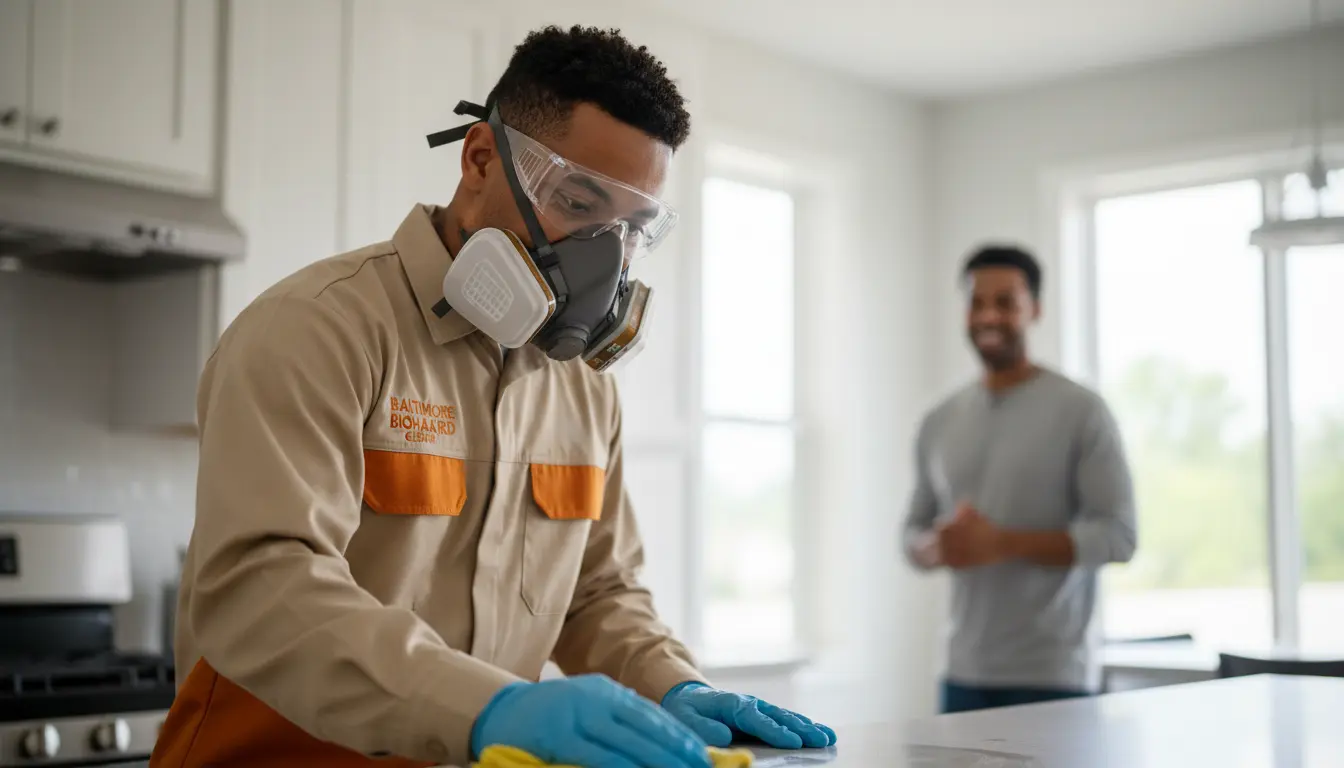
Biohazard cleanup services near Canton and surrounding areas are not a luxury—they are a necessity when a property has been exposed to blood, bodily fluids, or decomposed tissue. The risks are not just visual or olfactory; they are medical. Bloodborne pathogens like hepatitis B, hepatitis C, and HIV can survive on surfaces for days or weeks, especially in the humid microclimate of a Baltimore rowhome. Professional remediation follows strict protocols from OSHA, the EPA, and the IICRC S540 standard to ensure that every trace of biological material is removed, the site is decontaminated, and the property is safe for future occupancy. Whether the situation is a death scene, a violent crime, an industrial accident, or a hoarding cleanup involving biohazards, the response must be immediate, thorough, and compassionate.
The Remediation Process: A Step-by-Step Technical Breakdown
When the team from Baltimore Biohazard Cleanup arrives at a property in Canton, Highlandtown, or any of the surrounding neighborhoods, the first step is always a containment and risk assessment. Technicians set up a staging area outside the affected zone, typically in a mudroom or garage, and don full personal protective equipment. This includes Tyvek suits, double gloves, boot covers, N95 or P100 respirators, and face shields. The team then establishes negative air pressure inside the contaminated area using industrial-grade negative air machines equipped with HEPA filtration. This prevents airborne pathogens and odor particles from migrating into the rest of the house, which is especially critical in Baltimore’s historic rowhomes where shared walls and narrow floor plans make cross-contamination a real threat.
Once containment is verified, the physical removal phase begins. Technicians use specialized tools such as biohazard scoops, scrapers, and absorbent pads to remove all visible biological material. Any porous materials that have been contaminated—carpet, padding, upholstery, drywall, insulation—are cut out and bagged in red biohazard bags. In decomposition cases, the fluid can wick up drywall as high as 18 inches, so the removal often extends well beyond the visible stain. The team then cleans all non-porous surfaces with an EPA-registered hospital-grade disinfectant that is effective against a broad spectrum of pathogens, including norovirus, MRSA, and tuberculosis. The cleaning process is not a single pass; it involves multiple applications with mechanical agitation—scrubbing every surface, including cracks and crevices, with a brush.
After cleaning, the team performs adenosine triphosphate (ATP) testing. This is a fluorescence-based test that measures the amount of organic residue on a surface. A reading below a certain threshold (typically 10 relative light units) indicates that the surface is biologically clean. ATP testing is the industry standard for verifying that decontamination is complete, and it provides objective documentation that the site is safe. Finally, the team applies an encapsulant or a sealant to any bare wood or subfloor that was exposed during the removal process. This locks in any residual microscopic contaminants and prevents future odor release. In Baltimore’s humid climate, this step is crucial because residual moisture can reactivate dormant pathogens over time.
Professional Biohazard Remediation vs. Standard Residential Cleaning
Many property owners assume that a thorough cleaning with bleach will suffice. That assumption is incorrect and dangerous. The table below highlights the key differences:
| Feature/Metric | Professional Biohazard Remediation | Standard Residential Cleaning |
|---|---|---|
| Regulatory Compliance | Follows OSHA 29 CFR 1910.1030, EPA FIFRA disinfectant labeling, and IICRC S540 | No regulatory oversight; uses general household products |
| Pathogen Elimination | Hospital-grade disinfectants with proven efficacy against bloodborne pathogens | Household bleach (5% sodium hypochlorite) degrades quickly and is ineffective on organic soil |
| Structural Assessment | Technicians identify hidden wicking, odor migration, and porous material saturation | Cleaning only visible surfaces; ignores subfloor, drywall core, and HVAC contamination |
| Waste Disposal | Licensed medical waste transporter; incineration or autoclaving per EPA and DOT regulations | Thrown in regular trash, which is illegal and poses public health risks |
| Odor Removal | Negative air machines, ozone or hydroxyl generators, and enzyme-based odor neutralizers | Air fresheners that only mask the smell; no reduction in airborne volatile organic compounds |
| Insurance Documentation | Detailed chain-of-custody records, ATP test results, photos, and a final certification of remediation | No documentation; difficult to file insurance claims for structural damage |
Expert Insights: Advanced Diagnostic Tips and Common Mistakes
Three Diagnostic Tips Practitioners Use Every Day
First, always test porous surfaces with a moisture meter, even if they appear dry. In a recent job in Reisterstown, the team found that a wood floor that looked clean had a moisture reading of 28% in the subfloor, indicating that biofluid had penetrated deep into the grain. Without that meter, the homeowner would have sealed the floor and created a microbial breeding ground under the new finish. Second, use a black light (UV-A) to detect latent biological stains. Proteins and bodily fluids fluoresce under UV light, revealing areas that are invisible to the naked eye. This is especially useful in older homes in Towson where multiple layers of paint may hide old stains. Third, never rely on chlorine bleach alone. Bleach is corrosive, loses efficacy in the presence of organic matter, and does not kill all pathogens (e.g., hepatitis B requires a high-concentration disinfectant with a longer dwell time). Hospital-grade disinfectants with quaternary ammonium compounds or accelerated hydrogen peroxide are far more effective.
Two Common Mistakes Property Owners Make
The first mistake is attempting to clean the area themselves. A property owner in Dundalk tried to scrub a blood stain from a concrete floor with a mop and bleach. He ended up aerosolizing the blood, which then settled on furniture and walls, spreading the contamination. He also contaminated his shoes and tracked pathogens into other rooms. The second mistake is waiting for odors to dissipate naturally. Decomposition odors are caused by volatile organic compounds that are chemically bonded to porous surfaces. Without physical removal and chemical neutralization, the odor will persist for months or even years, making the property uninhabitable and unsellable. In both cases, professional biohazard cleanup services near Canton and surrounding areas are the only safe and effective solution.
Pricing Structures for Biohazard Remediation
Pricing for biohazard cleanup varies based on several factors, but most services use a combination of the following structures:
- Standard site mobilization fee – typically ranges from $250 to $500, covering travel, setup, and the initial containment process. This includes the cost of disposable PPE and negative air machine setup.
- Hourly remediation rates – generally $150 to $250 per technician per hour. Most scenes require a team of two to four technicians for a full day. For example, a moderate trauma scene in a 500-square-foot area might take 8 to 12 technician-hours.
- Itemized costs for specialized disposal – biohazardous waste must be disposed of through a licensed medical waste transporter. The cost is typically $1 to $2 per pound of waste, and a single death scene can generate 50 to 200 pounds of biohazard bags, carpet, and porous materials.
Three primary factors influence the final cost: the extent of structural material replacement required (e.g., removing drywall, subfloor, cabinets), the total volume of biohazardous waste (which drives disposal fees), and the necessity for specialized HVAC decontamination if the heating and cooling system has been contaminated. In Baltimore’s historic neighborhoods, such as Federal Hill or Mount Vernon, the presence of original plaster walls and wooden lath can complicate removal and increase labor time.
Safety and Standards: Certifications That Matter
Every technician at Baltimore Biohazard Cleanup is trained in compliance with OSHA’s Bloodborne Pathogens Standard (29 CFR 1910.1030). This standard mandates the use of universal precautions, proper disposal of sharps, and availability of the hepatitis B vaccine for all employees. The company also follows the IICRC S540 standard for trauma and crime scene cleanup, which covers everything from initial assessment to final verification. Additionally, the company uses only EPA-registered disinfectants with a fast kill time for bloodborne pathogens, and all waste is transported by a licensed medical waste hauler to a permitted incineration facility. These protocols protect not only the property owner and future occupants but also the technicians themselves. Without these standards, a property can remain a health hazard long after the visible mess is gone.
Frequently Asked Questions About Biohazard Remediation
What is the difference between biohazard cleanup and regular janitorial cleaning?
Biohazard cleanup is a specialized field that deals with potentially infectious materials such as blood, bodily fluids, human tissue, and decomposition byproducts. Unlike regular cleaning, which focuses on aesthetics and general hygiene, biohazard remediation follows strict regulatory standards to eliminate pathogens and prevent cross-contamination. The process includes containment, removal of porous materials, chemical disinfection, ATP testing, and proper waste disposal. Regular janitorial staff are not trained in bloodborne pathogen safety and may inadvertently spread contamination, putting themselves and others at risk.
How quickly should I respond to a biohazard situation?
Immediate response is critical. Bloodborne pathogens can survive on surfaces for up to a week or more, depending on the surface and environmental conditions. In Baltimore’s humid summers, decomposition accelerates rapidly, and fluids can wick into porous materials within hours. The longer you wait, the more extensive the structural damage and odor penetration become. Many insurance policies require prompt mitigation to minimize damage, so calling a professional within 24 hours is strongly recommended. Baltimore Biohazard Cleanup offers 24/7 emergency response to ensure that the situation is contained before it worsens.
Can I claim the cost of biohazard cleanup on my insurance?
Many homeowner’s insurance policies cover biohazard remediation, especially if the situation is the result of a sudden event like a crime, accident, or unattended death. However, coverage varies by policy and by insurer. Some policies have a separate limit for “trauma cleanup” or “biohazard remediation.” It is essential to document the entire process with photos, chain-of-custody records, and ATP test results. Baltimore Biohazard Cleanup provides a detailed report that meets the documentation requirements of most major insurance companies. We recommend contacting your insurance agent before the cleanup begins to confirm coverage and any pre-authorization requirements.
What happens to the biohazard waste after removal?
All biohazard waste is placed in red, labeled biohazard bags and sealed according to OSHA and DOT regulations. The bags are then transported by a licensed medical waste transporter to a permitted treatment facility. There, the waste is either incinerated at high temperatures (which destroys all pathogens) or autoclaved (sterilized with steam and pressure) before being disposed of in a landfill. This process ensures that the waste does not enter the municipal waste stream and pose a public health risk. Proper disposal is a legal requirement and is a key part of the service provided by professionals.
Professional Biohazard Remediation in Baltimore
When a property in Canton, Highlandtown, or any of the surrounding areas has been compromised by a traumatic event, the need for expert, compassionate, and technically rigorous restoration is immediate. Baltimore Biohazard Cleanup brings certified technicians, industrial-grade equipment, and a deep understanding of local conditions—from the challenges of historic rowhomes to the logistical demands of Baltimore’s urban landscape. Every job is handled with discretion, respect, and a commitment to restoring the property to a safe and habitable condition. If you are facing a biohazard situation, do not wait. Call the team that understands the science, the regulations, and the local reality of Baltimore.